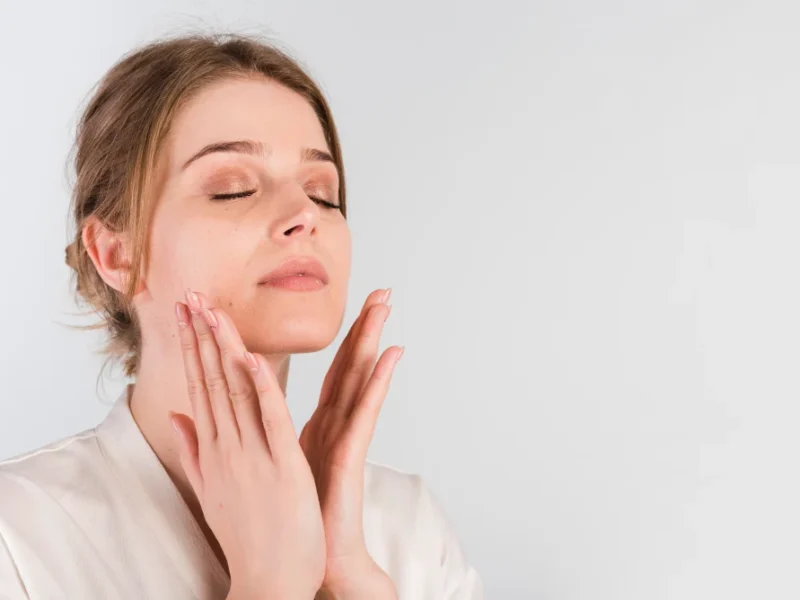


What Is a Glow Up, and How Do You Actually Achieve One?
A glow up is a significant positive transformation that combines improved appearance, increased confidence, and meaningful personal growth — both inside and out. Unlike a simple makeover, a genuine glow up reflects internal change that radiates outward through intention, consistency, and self-respect.
You achieve a glow up by:
- Shifting your mindset from self-criticism to self-belief
- Establishing small, consistent daily habits (exercise, skincare, learning)
- Improving your physical health through nutrition and movement
- Healing emotional wounds and setting healthy boundaries
- Developing a strong sense of purpose and authenticity
- Building genuine confidence through repeated wins
- Letting go of what no longer serves your growth
- Celebrating progress, not perfection
When it works best: A glow up typically becomes visible after 66 days of consistent effort (the average time the brain needs to form new neural pathways), though transformation is ongoing. The biggest glow-ups often follow life triggers: breakups, career changes, personal setbacks, or moments of clarity.
The real difference: A glow up isn’t about becoming someone else — it’s about becoming the most authentic, capable version of who you already are.
Why Everyone’s Talking About Glow-Ups (And Why They Actually Matter)
You’ve seen them on TikTok. Before-and-after posts where someone looks dramatically different — not just in appearance, but in their entire energy. More confident. Happier. Alive.
That’s a glow-up.
But here’s what most people get wrong: A real glow-up isn’t about getting a new haircut, losing 20 pounds, or buying a capsule wardrobe (though those can be part of it).
A glow-up is a complete internal and external transformation that starts in your mind, rebuilds your daily habits, and eventually shows up in how you carry yourself, how you speak, and how you engage with the world.
The term itself originated in African American Vernacular English (AAVE) and exploded across social media in the 2010s. What started as slang for physical transformation has evolved into something deeper: a framework for becoming your best self — mentally, emotionally, and physically.
And the research backs it up. Studies show that about 45% of what we do each day is habitual, automatic and triggered by our environment, which means the habits you build today literally shape who you become tomorrow.
So if you’re stuck in a rut, feeling uninspired, or just know that something needs to change, this is the real, actionable guide to getting there.
The Psychology Behind Why Glow-Ups Actually Work
Before you start, understand why this transformation works at a neurological and psychological level.
Your brain is plastic. Researchers have found that repeated exposure to positive behaviors strengthens neural pathways, reinforcing new personality traits and behavioral patterns. This means every single day you choose to show up for yourself, your brain is literally rewiring itself to support your goals.
Habits are identity. When you repeat an action consistently, it stops being a choice and becomes who you are. You don’t have to “motivate yourself” to brush your teeth — it’s just part of your identity as someone who cares for their body. The same applies to exercise, meditation, learning, and self-care.
Small changes compound. Consistency matters more than intensity; small, repeated actions shape personality over months and years. This is why a glow-up isn’t about dramatic overnight changes — it’s about 1% improvements stacked every single day.
Confidence is built, not born. The more you keep promises to yourself (even tiny ones), the more you trust yourself. Trust = confidence. And when you’re confident, it shows in your energy, your decisions, and how others perceive you.
The 8 Real Steps to Your Glow-Up
1. Start With Your Mindset: From Self-Sabotage to Self-Belief
Here’s the hard truth: No amount of skincare or exercise will create a lasting glow-up if your inner voice is still telling you that you’re not enough.
A glow-up starts in your mind.
The shift: Move from “What’s wrong with me?” to “What do I want to become?”
How to do it:
- Notice your self-talk. For one day, just observe. How many times do you criticize yourself? Shame yourself? Make jokes at your own expense? Write it down.
- Reframe the narrative. Every time you catch a critical thought, ask: “Would I say this to my best friend?” If not, why is it okay to say to yourself?
- Replace shame with curiosity. Instead of “I’m so lazy,” try “I’m learning how to build consistency.” Instead of “I’ll never be confident,” try “I’m building confidence through small wins.”
- Create a personal affirmation. Not a generic “I am worthy” mantra, but something specific to your glow-up. Examples: “I am becoming someone who shows up for myself.” “I choose growth over comfort.” “I am building a life I’m proud of.”
Research suggests that the best way to embed a transformative experience into your life is to develop a regular practice that keeps what you have learned alive — making perspective-shifting a habit.
The evidence: Psychology Today notes that the strongest transformations start when you shift from external validation-seeking to internal validation-building. This is the foundation everything else is built on.
2. Define What YOUR Glow-Up Actually Looks Like
This is crucial: Your glow-up is not your sister’s glow-up. It’s not an Instagram influencer’s glow-up. It’s not your best friend’s glow-up.
It’s yours.
A glow-up for one person might mean leaving a toxic relationship and rebuilding their career. For another, it might mean overcoming social anxiety and learning to show up confidently in their own life. For another, it’s getting their health back on track after years of neglect.
Get specific:
- What areas of your life feel stagnant? (Appearance? Career? Relationships? Health? Confidence? Purpose?)
- If you could change just one thing about your life in the next 6 months, what would it be?
- What does “the best version of yourself” actually look like? Describe her. What does she wear? How does she spend her time? How does she speak? How does she treat herself?
- What fears or beliefs are holding you back from becoming that version?
Write this down. Be detailed. This clarity is your roadmap.
Read Also: Can I Get a Body Glow Up Without Money?
3. Rebuild Your Physical Foundation: Movement, Nutrition, and Sleep
You can’t think your way to a glow-up without also showing your body respect.
This isn’t about becoming “fit” in the Instagram sense. It’s about treating your body like you actually love it.
Movement (not just exercise):
- Find something you actually enjoy. Not the treadmill if you hate it. Not CrossFit if it feels punishing. Exercise can include walking, running, jumping rope, cycling, or dancing — dedicate two and a half hours a week at moderate intensity to release endorphins, improve sleep and enhance your brain’s cognitive function.
- A 30-minute walk daily does more for your mental health than an hour at the gym while resenting every second.
- Consistency beats intensity. Show up for movement 5 days a week, every week, even if it’s just 20 minutes. Your body and mind will thank you.
Nutrition:
- Stop dieting. Start nourishing. The difference is psychology.
- Eat foods that make you feel good — not just physically, but mentally. Notice how different foods affect your energy, mood, and skin.
- Hydration matters more than you think. Drink water before you’re thirsty.
- Add before you subtract. Instead of restricting, focus on adding nutrient-dense foods that crowd out the less helpful ones.
Sleep:
- Your glow-up happens while you sleep. Seriously.
- Aim for 7-9 hours. This is when your body heals, your skin regenerates, and your brain consolidates new habits into long-term memory.
- Create a wind-down ritual 30 minutes before bed. No screens. Maybe journaling, reading, or tea.
4. Build Non-Negotiable Daily Habits (Start Small)
This is where transformation becomes real.
According to studies, it takes about 66 days on average to form a new habit, but the timeline varies. The key is understanding that every action we perform is a vote toward the person we become.
Start with ONE habit. Not five. Not three. One.
Pick the habit that, if you nailed it, would create a ripple effect. Examples:
- A 10-minute morning routine (meditation, affirmation, journaling)
- Drinking 3 liters of water daily
- 20-minute evening walk
- One page of reading before bed
- 5-minute skin care routine
Make it so easy you can’t fail:
- If you want to meditate, don’t start with 30 minutes. Start with 5 minutes. Non-negotiable, every morning, before you do anything else.
- If you want to exercise, don’t commit to an hour at the gym. Walk around your neighborhood for 15 minutes after dinner.
- If you want to journal, don’t write 3 pages. Write 3 sentences.
Track it visually. Use a calendar and mark off each day you complete the habit. That visual streak is incredibly motivating.
After 66 days (roughly 2 months), the habit becomes automatic. Then you layer in the next habit.
5. Audit Your Environment and Relationships
You are the average of the five people you spend the most time with. You are also shaped by your physical environment, your social media feeds, and the media you consume.
Do an honest audit:
- People: Who drains you? Who lifts you up? Are you in relationships (romantic or platonic) that feel one-sided, toxic, or growth-limiting? A real glow-up often means letting go of people who were right for an old version of you but aren’t aligned with who you’re becoming.
- Physical space: Can you see your bedroom from your bed? Does it feel calm or chaotic? Your environment affects your nervous system. A glow-up often includes: clean sheets weekly, decluttering, maybe new lighting or plants.
- Digital environment: Who are you following on Instagram? Are they inspiring you or making you feel inadequate? Unfollow freely. Follow people who show you what’s possible without making you feel like you’re failing.
- Content consumption: What podcasts, shows, and books are you consuming? Are they aligned with your goals or keeping you stuck in an old identity?
Set boundaries. This is non-negotiable. If someone consistently disrespects you, drains your energy, or pulls you backward, you don’t have to keep them in your life just because you always have.
Read Also: How to Be Mentally Strong After a Breakup: The Evidence-Based Path to Real Recovery
6. Master the Art of Showing Up Confidently (Even When It’s Uncomfortable)
Confidence isn’t something you’re born with. It’s built through repeated small wins and self-trust.
Every time you do something you said you’d do — even if it’s just a 10-minute walk — you’re building evidence that you can trust yourself. That’s confidence.
Build confidence intentionally:
- Show up even when you don’t feel like it. Your gym session when you’re tired. Your networking event when you’re nervous. Your conversation with the person you’ve been avoiding. This is where real confidence grows.
- Dress in a way that makes you feel capable. Not for others. For you. When you look in the mirror and think “I look pulled together,” your posture changes. Your energy shifts. This isn’t vanity — it’s strategy.
- Practice speaking your truth. Start small. Order your coffee exactly how you want it. Say “no” to something that doesn’t serve you. Express an opinion you’ve been holding back. The more you practice, the more natural it becomes.
- Celebrate small wins loudly. Finished a workout? Tell someone. Had a difficult conversation and handled it well? Write it down. Completed your habit streak? Acknowledge it. These tiny celebrations reprogram your brain to expect your own success.
7. Establish a Non-Negotiable Self-Care and Skincare Ritual
Self-care isn’t selfish. It’s an investment in yourself that shows up in every area of your life.
Physical self-care (the visible part):
- Skincare: You don’t need expensive products. You need consistency. Cleanse, hydrate, protect from the sun. Morning and night. Even 5 minutes shows your face that you care for it.
- Hair: Wash it when it feels good to you, condition it, maybe a deep treatment weekly. Your hair reflects your energy.
- Nails: Whether it’s a professional manicure or 10 minutes with your own file and polish, hands that look cared-for change how you feel.
Emotional self-care (the foundation):
- Journaling: 5-10 minutes daily. Brain dump, reflect, plan. This is where you process emotions and gain clarity.
- Meditation or breathwork: Even 3 minutes of conscious breathing rewires your nervous system. Breathing exercises can help reduce stress if you feel overwhelmed, overworked, and overstressed.
- Therapy or coaching: If you have unprocessed trauma, anxiety, or patterns you can’t break alone, professional support is not weakness — it’s wisdom.
8. Document Your Progress and Celebrate the Transformation
A glow-up is slow. It’s incremental. Sometimes you won’t notice it happening.
That’s why documentation matters.
Take progress photos: Not for Instagram. For you. One clear photo every month in the same lighting, same outfit, same pose. After 6 months, you’ll see changes you forgot were possible.
Write before-and-after reflections:
- How was I thinking 3 months ago? What was I believing about myself?
- What have I accomplished that I didn’t think was possible?
- How has my energy shifted? My confidence? My relationships?
Celebrate milestones:
- Hit 66 days of a habit? Acknowledge it. Take yourself to dinner. Get a massage. Tell someone you’re proud of yourself.
- Went a whole month without the old negative self-talk? That’s massive. Notice it.
- Had a difficult conversation you’ve been avoiding and handled it well? That’s a win.
The truth about glow-ups: People will ask “What did you do?” They’ll notice your energy before they notice your appearance. They’ll see your confidence, your calmness, your groundedness. That’s the real glow-up.
Read Also: How to Turn Your Life Around for the Better: A Complete Transformation Blueprint
Common Glow-Up Mistakes (And How to Avoid Them)
Mistake #1: Trying to Change Everything at Once
The problem: You’re pumped up, so you commit to the gym 6 days a week, overhaul your entire diet, start meditating, journaling, and learning French. By week 3, you’re burned out.
The fix: Choose one habit. Master it. Then add the next.
Mistake #2: Relying on Willpower Instead of Environment
The problem: You say “I’ll just say no to junk food” or “I’ll just push myself to the gym even though I hate it.”
The fix: Design your environment so the right choice is the easy choice. Buy healthy snacks. Join a gym class you actually enjoy. Follow people who inspire you.
Mistake #3: Expecting Linear Progress
The problem: You’re great for 2 weeks, then life happens, you miss a day, feel disappointed, and quit entirely.
The fix: Expect setbacks. They’re not failure — they’re part of the process. Miss one day? Tomorrow is a new day. Miss a week? You’ve got the skills to start again.
Mistake #4: Chasing Someone Else’s Glow-Up
The problem: You’re trying to look like that Instagram girl or be as confident as your friend instead of defining your own vision.
The fix: Your glow-up is deeply personal. Inspiration is great. Imitation is a dead end.
Mistake #5: Ignoring the Mindset Work
The problem: You hit the gym, eat well, buy new clothes — but you’re still criticizing yourself internally. Nothing changes.
The fix: The visible transformation flows from the internal shift. Work on your mindset first. Everything else becomes easier.
How Long Does a Real Glow-Up Take?
The short answer: It depends on what you mean by “glow-up.”
Visible changes: 8-12 weeks of consistent effort. People will notice your energy, your skin, your posture.
Habit formation: 66 days on average for a new neural pathway to cement, though this varies by person and habit.
Psychological shift: 3-6 months to genuinely feel different inside.
Full transformation: 1-2 years to build a completely new life, identity, and energy.
But here’s the truth: You’ll start feeling different almost immediately. After your first week of keeping promises to yourself, you’ll sleep better. After two weeks of movement, your mood will lift. After a month of self-care, you’ll catch yourself smiling in the mirror.
Those small wins compound.
The Difference Between a Glow-Up and a Breakdown
Life is often what triggers a glow-up. A breakup. A job loss. A health scare. A moment of deep unhappiness.
These moments can be catalysts for transformation — but they don’t have to be.
You don’t need to hit rock bottom to decide you want to level up.
You don’t need permission or a crisis.
You just need to decide: “I’m ready to become the person I’m capable of being.”
And then, every single day, take one small action toward that version of yourself.
Final Words: This Is Your Glow-Up
A real glow-up isn’t a destination. It’s not something you achieve and then you’re done.
It’s an ongoing commitment to becoming a better version of yourself — mentally, physically, emotionally, and spiritually.
Some days you’ll nail it. Some days you’ll struggle. Some seasons will feel like massive breakthroughs. Other seasons will feel like you’re barely moving.
That’s all normal.
What matters is the direction you’re moving. Are you choosing yourself? Are you keeping promises to yourself? Are you building a life that feels aligned with your values?
If yes, then you’re already glowing up.
The rest is just consistency.
Action Plan: Start Your Glow-Up This Week
Day 1:
- Define your vision. What does your best self look like?
- Choose one habit to master for 66 days.
- Take a “before” photo (for yourself).
Days 2-7:
- Complete your chosen habit every single day.
- Notice your self-talk. Reframe one critical thought daily.
- Do one thing that scares you (even tiny).
Week 2-4:
- Maintain the habit. Mark it on your calendar.
- Audit your environment. Remove one thing that doesn’t serve you.
- Start a simple journaling practice (3 sentences daily).
Your 66-day commitment:
- Show up for your habit every single day.
- Track your progress visually.
- Celebrate at day 21, day 44, and day 66.
Sources & Further Reading
- Psychology Today: “The Science and Practice of Real Transformation”
- Research on habit formation: Wood et al., (2002); Dr. Gina Cleo’s habit research
- Neuroplasticity and behavioral change studies
- Journal of Applied Research on Well-being
Want to take this further? Read our guide on: How to Have an Overnight Glow-Up for School: 7 Beauty Hacks That Actually Work