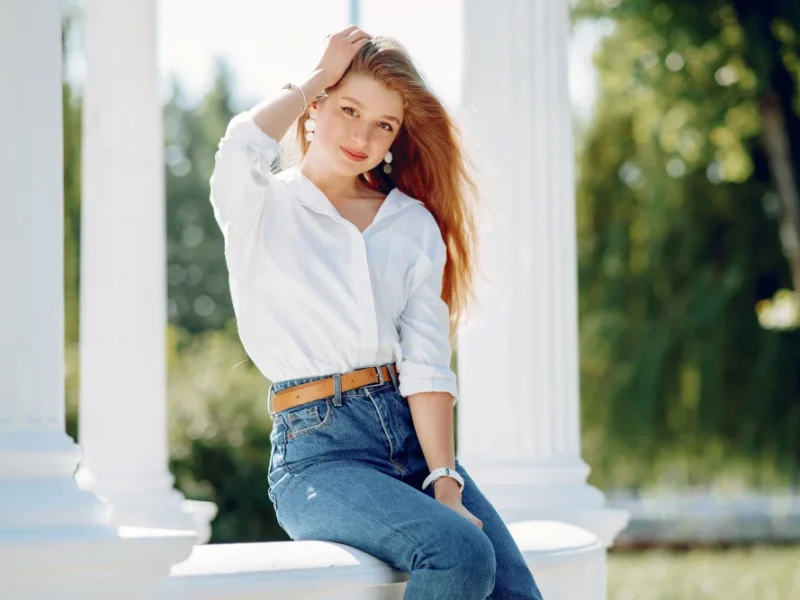

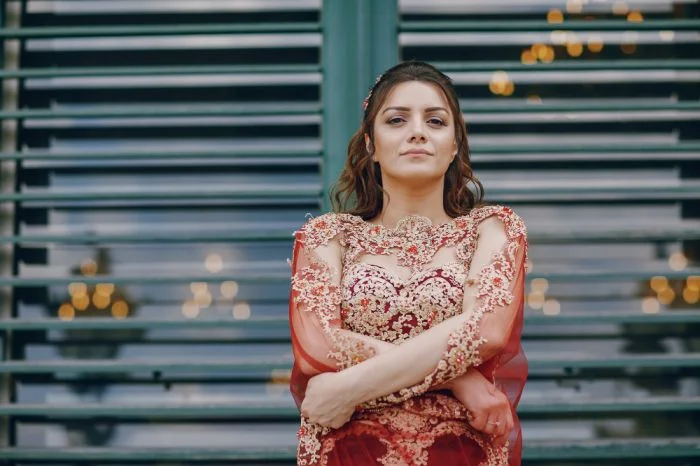
There’s something quietly powerful about a woman who dresses with intention.
Not chasing trends. Not dressing to impress a crowd. Just wearing clothes that feel like her — soft, feminine, and rooted in something that doesn’t go out of style every season.
That’s the heart of the tradwife aesthetic. And whether you’re fully embracing the lifestyle or simply drawn to the visual — the flowy skirts, the cozy aprons, the effortless elegance — this guide gives you everything you need to build a wardrobe that’s beautiful, wearable, and authentically yours.
Quick Answer: The tradwife style is built on modest, feminine, and timeless clothing — think midi and maxi skirts, floral prints, soft blouses, aprons, and neutral tones. The goal isn’t costume dressing. It’s building a wardrobe grounded in grace, practicality, and femininity that holds up whether you’re at the farmers’ market, hosting guests, or simply living a beautiful everyday life.
What Is the TradWife Aesthetic, Really?
Before building a wardrobe, it helps to understand what you’re actually dressing for — because tradwife style isn’t just a Pinterest board. It’s a philosophy.
It’s Not a Costume
The tradwife aesthetic is often misunderstood online. It’s not about performing domesticity for an audience, and it’s not about wearing period clothing to go grocery shopping. At its core, it’s about femininity as a value, not a trend — choosing clothing that reflects warmth, intentionality, and quiet strength rather than performance or provocation.
Women drawn to this style often describe feeling more themselves in a floral midi skirt than in athleisure or fast fashion. That’s the point. The clothes serve the life — not the other way around.
The Visual Language of TradWife Style
If you had to describe the tradwife wardrobe in one sentence, it would be: soft, modest, and purposefully feminine.
The key visual markers:
- Silhouette: Flowing, not restrictive. Skirts that move. Blouses that breathe.
- Modesty: Not severe — just enough coverage to feel graceful rather than exposed
- Color palette: Warm neutrals, muted pastels, earthy tones, soft florals
- Fabric: Natural where possible — cotton, linen, chambray, light wool
- Era influence: 1940s–1960s American homemaker meets modern cottage aesthetic
Why This Aesthetic Is Growing (And Not Going Away)
Across many countries, there’s a visible cultural shift toward intentional living — slower mornings, homemade meals, prioritizing the home. The tradwife aesthetic is the visual extension of that shift. It’s not nostalgia for nostalgia’s sake. It’s a rejection of the chaotic, performative nature of modern fashion in favor of something that feels grounded and real.
This is also why the style holds long-term appeal. It’s not tied to a single trend cycle. It’s rooted in principles — femininity, modesty, practicality, beauty — that don’t expire.
The TradWife Wardrobe: Core Pieces You Actually Need
Here’s the practical foundation. These are the pieces you’ll reach for daily — not aspirational purchases that sit in your closet.
1. Midi and Maxi Skirts (The Non-Negotiable)
If there’s one piece that defines the tradwife wardrobe, it’s the skirt. Specifically: below the knee, with movement.
What to look for:
- Length: Midi (hits mid-calf) or maxi (floor-length) — both work; midi is more practical for daily errands
- Silhouette: A-line or circle skirt for the most flattering, feminine shape
- Fabric: Cotton, linen, or chambray for everyday; chiffon or satin for occasions
- Prints: Florals (timeless), gingham (cottage aesthetic), solid muted tones (easy to style)
Best colors to start with: Dusty rose, sage green, cream, navy, warm brown
How many to own: Three to five skirts cover most days of the week when rotated with different tops. Start with one floral, one solid, one neutral.
Styling note: Tuck your blouse fully into your skirt for a polished, put-together look. A half-tuck reads more casual — great for home days.
2. Soft Blouses and Feminine Tops
Forget the oversized tee. The tradwife wardrobe is built on blouses that feel intentional — not fussy, just thoughtful.
The styles to prioritize:
- Puff-sleeve blouses: The most distinctly feminine silhouette; works beautifully with midi skirts
- Smocked or gathered blouses: Soft, forgiving, and effortlessly pretty
- Button-front tops: Practical and classic; a white button-front is a wardrobe anchor
- Peter Pan collar blouses: Vintage-feeling without being costumey — perfect for the aesthetic
What to avoid: Graphic tees, slogans, anything cropped or sheer without a layer underneath. The goal is modest coverage that still feels light and pretty — not heavy or shapeless.
Fabric rule: Natural fabrics breathe better and look more intentional. Prioritize cotton and linen for summer, soft flannel or lightweight wool for cooler months.
3. Dresses That Do the Work for You
A great dress is an entire outfit in one piece — and the tradwife wardrobe should have several you can reach for without thinking.
The key silhouettes:
- Fit-and-flare / A-line: Nips the waist, falls full — the most universally flattering feminine shape
- Wrap dress: Adjustable, elegant, and works for home and outings equally
- Prairie/cottagecore dress: Smocked bodice, full skirt, sometimes with tiers — very on-brand for the aesthetic
- Shirt dress (belted): A practical, put-together option that’s less overtly feminine but still modest and graceful
Print recommendations: Small florals, ditsy prints, soft gingham — avoid large or abstract prints that compete with your presence
A wardrobe of 5–7 dresses in rotation will carry you through most of the year without decision fatigue.
4. The Apron (More Than a Kitchen Accessory)
The apron has become a visual symbol of the tradwife aesthetic — but it’s functional, not performative.
A well-chosen apron worn over an outfit isn’t costume dressing. It’s practical femininity. It protects your clothes during cooking and cleaning while adding a charming layer to your overall look.
What to choose:
- Full aprons for actual kitchen work — they offer the most protection
- Half/waist aprons for lighter tasks — they’re prettier as a layered accessory
- Linen or cotton in neutral tones (cream, sage, dusty blue) — they wash beautifully and age well
You don’t need to wear an apron when you’re running errands. But having one you love makes the domestic parts of your day feel more intentional — and that’s the point.
5. Modest Layering Pieces
Real life requires layering — cooler mornings, air-conditioned stores, outdoor events. The tradwife wardrobe handles this gracefully.
Essential layers:
- Cardigans: The most versatile layering piece. A cream or dusty pink cardigan over a floral dress is practically the tradwife uniform. Look for soft knits with a slightly fitted shape — oversized cardigans can overwhelm the silhouette.
- Lightweight shawls or wraps: Elegant and practical. A linen shawl over a sundress pulls together an entire look.
- Denim jacket (classic cut): The one modern staple that integrates beautifully — especially over floral midi dresses for casual outings.
- Vest/waistcoat (vintage-inspired): A linen or tweed vest over a blouse is a particularly elevated tradwife layering option.
Building Your TradWife Color Palette
Color choices matter more in this style than almost any other — because the entire aesthetic depends on a visual sense of softness and calm.
The Core Tradwife Palette
| Category | Colors | Why They Work |
|---|---|---|
| Neutrals | Cream, ivory, warm white, oatmeal | Clean base that photographs beautifully and pairs with everything |
| Earthy tones | Terracotta, warm brown, dusty mustard, sage green | Ground the look, feel natural and cozy |
| Soft pastels | Dusty rose, lavender, sky blue, mint | Feminine without being juvenile |
| Deep anchors | Navy, forest green, burgundy | Add richness for autumn/winter and formal occasions |
What to Avoid
- Harsh brights: Neon, electric blue, vivid orange — these don’t fit the aesthetic’s visual language
- All-black outfits: Black isn’t off-limits, but it’s not the foundation of this style. Use it as an accent.
- Loud prints: Large geometric prints or abstract patterns pull against the soft, grounded feeling of the aesthetic
How to Build Cohesion
The tradwife wardrobe works best when 70–80% of your pieces coordinate with each other — neutrals and soft tones as the base, prints as accents. When your wardrobe is cohesive, you can get dressed in five minutes and still look intentional every time.
TradWife Style by Season: What to Wear Year-Round
The tradwife aesthetic works in every season — you just adapt the fabrics and layers.
Spring
Spring calls for light florals, soft pastels, and pieces that transition between cool mornings and warm afternoons.
Key pieces: Floral midi skirts in cotton, puff-sleeve blouses in lavender or white, a lightweight cardigan, white canvas sneakers or low block heels
The spring formula: Floral A-line skirt + white smocked blouse + soft pink cardigan + comfortable flats
Summer
Summer is the peak season for this aesthetic — the abundance of floaty fabrics, floral prints, and sundresses makes it feel most natural.
Key pieces: Linen or cotton dresses (floral or gingham), sleeveless or short-sleeve blouses, straw hat, canvas shoes or leather sandals
The summer formula: Prairie-style cotton dress (smocked bodice, full skirt) + straw hat + leather sandals
Heat note: Natural fabrics are essential in summer. Polyester in warm weather feels suffocating and looks cheap — it’s worth investing in linen and cotton basics you can wear repeatedly.
Autumn
Autumn is arguably the richest season for this style — the warm tones, the layers, the coziness of it all align perfectly.
Key pieces: Wool or flannel midi skirts in warm tones, fitted turtlenecks, chunky cardigans, ankle boots, tartan or plaid details
The autumn formula: Burgundy midi skirt + cream fitted turtleneck + warm brown cardigan + low-heeled ankle boots
Winter
Winter requires intentional warmth without sacrificing the aesthetic. The key is layering beautifully.
Key pieces: Wool wrap coats (camel or cream), thermal-lined floral dresses, thick tights or stockings, knee-high boots, cashmere or wool cardigans
The winter formula: Floral maxi dress + thick tights + camel wrap coat + knee-high boots
Tights as a tool: Tights are a tradwife winter essential. In cream, ivory, or warm tan, they extend your summer dresses into winter elegantly. Avoid sheer black tights — they skew more urban than cottagecore.
TradWife Style for Real Life: Outfit Formulas That Work
Theory is fine — but here’s how to actually get dressed in this aesthetic across the different situations you’ll encounter.
Everyday Home Life
You spend a significant part of your day at home. This doesn’t mean pajamas — but it also doesn’t mean a photoshoot outfit.
Formula: Comfortable midi skirt + fitted t-shirt or simple blouse + apron when working + flat sandals or house moccasins
The goal is a step above casual — something that makes you feel put-together and lovely, even if no one else sees it. How you dress at home sets the tone for your day.
Farmers’ Market / Weekend Errands
Formula: Floral midi dress + denim jacket or cream cardigan + canvas tote bag + white sneakers or leather flats
This is the most photographed tradwife look — and for good reason. It’s practical, beautiful, and completely wearable.
Hosting Guests / Sunday Dinner
Formula: Fit-and-flare dress in a rich tone (navy, burgundy, forest green) + pearl or delicate gold earrings + low block heels or ballet flats + apron over the top while cooking
You want to look gracious and welcoming — not overdressed, not underdressed. The key is a dress that looks elegant but that you can actually move freely in.
Church / Faith Community
Formula: Modest midi or maxi dress OR skirt + blouse + cardigan + closed-toe flats or low heels
Modesty and elegance together. A wrap dress or A-line dress in a solid muted tone with a cardigan is almost universally appropriate and beautiful.
Date Night / Couple’s Dinner
Formula: Wrap dress or fit-and-flare dress in a soft feminine print + heeled sandals or block heels + simple jewelry + light shawl
Feminine, elegant, and warm — this is the tradwife date look. You don’t need to look provocative to look beautiful. A lovely dress, beautiful hair, and a confident smile does everything.
Common TradWife Style Mistakes (and How to Fix Them)
Even with good intentions, it’s easy to miss the mark. Here’s what goes wrong most often:
Mistake 1: Buying Too Much Too Fast
The pull of this aesthetic can make you want to overhaul your wardrobe overnight. Don’t. You’ll end up with pieces that don’t coordinate and a style that feels forced rather than natural.
Fix: Start with five core pieces — one or two skirts, two blouses, one dress. Wear them repeatedly and see what you actually reach for before buying more.
Mistake 2: Buying Synthetic Fabrics to Save Money
Polyester midi skirts look nice in photos but feel uncomfortable and cheap in person. They don’t breathe, they cling, and they wrinkle badly.
Fix: Buy fewer pieces in natural fabrics (cotton, linen, chambray) rather than more pieces in synthetics. Check fabric content labels before purchasing — aim for at least 60–70% natural fiber.
Mistake 3: Costume Dressing
There’s a difference between wearing this aesthetic authentically and wearing it as a performance — for Instagram content, not for your actual daily life.
Fix: Only buy pieces you’d genuinely wear on a Tuesday with no one watching. If it only works as a styled photoshoot but not as real clothing, it doesn’t belong in your wardrobe.
Mistake 4: Ignoring Fit
A beautiful print in the wrong size or cut does nothing for you. The tradwife aesthetic relies on clothes that fit well — skirts that hit the right length, blouses that lay properly at the shoulders, dresses that define the waist.
Fix: Learn your measurements. Know your ideal skirt length (measure from your waist to where you want it to fall). Don’t buy anything you plan to “eventually alter” — buy what fits now, or get it tailored immediately.
Mistake 5: Neglecting Shoes and Accessories
An outfit is only 80% of a look. Shoes and accessories complete it — and mismatched choices break the aesthetic.
Fix: See the full accessories section below.
Shoes That Complete the TradWife Aesthetic
Footwear is often an afterthought — but in this style, it’s visible and important because skirts and dresses show your feet constantly.
| Shoe Type | Best Paired With | Notes |
|---|---|---|
| Ballet flats | Midi skirts, casual dresses | The most versatile everyday shoe; leather ages beautifully |
| Low block heels | Dresses, dressier outfits | Elegant and practical — much easier to wear than stilettos |
| Leather sandals | Summer dresses, linen skirts | Simple straps, nothing overly sporty |
| White canvas sneakers | Casual skirt + blouse combos | The one modern shoe that integrates naturally |
| Ankle boots (low heel) | Autumn skirts, layered looks | Especially good in tan, cream, or cognac leather |
| Knee-high boots | Winter dresses over tights | Creates a beautiful, cozy look for cold months |
| Mary Janes | Any feminine dress or skirt | Very on-trend within the aesthetic — both vintage and fresh |
What to avoid: Platform shoes, heavily branded trainers, chunky sports shoes, strappy stilettos, and anything that reads overtly urban or sporty.
Read Also: 7 Best Shoes Every Woman’s Wardrobe Actually Needs
Hair, Beauty, and Accessories: The Finishing Layer
Clothing is the foundation, but the tradwife look is completed by how you present yourself overall.
Hair
Natural, feminine hair is the complement to this style. You don’t need elaborate styling — you need hair that looks cared for and intentional.
Classic tradwife hair looks:
- Loose waves (the signature — effortlessly feminine)
- Low chignon or bun with soft face-framing pieces
- Half-up, half-down with a ribbon or small clip
- Braided crown or simple side braid
- A headband (velvet or linen) is a perfect, iconic touch
Accessories: Ribbons, fabric headbands, simple gold or tortoiseshell clips, and pearl pins all work beautifully.
Read Also: How to Style Permed Hair: A Practical, Expert-Backed Guide to Looking Effortlessly Stunning
Jewelry
Keep it delicate and meaningful.
The tradwife jewelry approach:
- Earrings: Small pearls, gold hoops, simple drops — nothing large or statement-making
- Necklace: A single delicate chain, a small pendant, or a string of pearls
- Rings: Simple gold bands; a meaningful ring or two is lovely; avoid heavy cocktail rings
- Bracelets: Thin gold bangles or a simple chain bracelet
The goal is adorned, not decorated. Your jewelry should enhance your look without competing with it.
Beauty
The tradwife beauty approach is understated and fresh — not heavy or dramatic.
Guiding principles:
- Prioritize skincare as the foundation — healthy skin looks beautiful with minimal makeup
- Light coverage (tinted moisturizer or light foundation) rather than full coverage
- Soft rosy blush, a natural lip in berry or rose, mascara — that’s often all you need
- Avoid heavy contouring, bold graphic liner, or overly dramatic looks
The aesthetic is glowing and cared for, not done up.
Read Also: How to Have a Glow Up Without Makeup: Real, Lasting Ways to Transform Your Look and Confidence
TradWife Style on a Budget: Building the Wardrobe Without Overspending
You don’t need designer pieces to dress this way. In fact, some of the best sources for this style are budget-friendly.
Where to Shop
Budget-friendly:
- Thrift stores / charity shops — This aesthetic’s vintage leanings make thrifting perfect. Midi skirts, blouses, and dresses from previous decades are everywhere.
- ASOS — Good selection of midi skirts and prairie dresses
- H&M (particularly their Conscious/linen lines) — Focus on the natural fabric pieces
- Shein (with caution) — Fabric quality varies wildly; read reviews and prioritize natural fabrics
Mid-range (best quality-to-cost ratio):
- Anthropologie — Excellent selection, higher price but quality holds
- Free People — Especially their linen and floral pieces
- Pact (US) — Organic cotton basics, excellent for building foundations
- Nobody’s Child (UK) — Floral midi dresses and sustainable fabrics
Investment pieces (worth saving for):
- A quality wool wrap coat (will last a decade)
- Leather ballet flats or ankle boots (resoleable and durable)
- A few linen or cotton dresses in core colors
The Budget-Building Strategy
- Start with thrift stores for prints and statement pieces — the risk is low and the reward can be extraordinary
- Buy basics (blouses, cardigans) new in natural fabrics
- Invest in footwear — cheap shoes look and feel cheap and break quickly
- Add one or two quality pieces per season rather than large hauls
TradWife Style Quick-Reference Checklist
Use this to evaluate any new piece before buying:
- Is the length modest? (Midi or maxi for skirts/dresses)
- Does the fabric breathe? (Natural fiber preferred)
- Does the color fit my palette? (Neutral, earthy, or soft pastel)
- Can I wear it in 2–3 different outfit combinations?
- Would I wear this on a regular Tuesday, not just for photos?
- Does it fit well right now, without needing alterations?
- Does it feel like me — or does it feel like a costume?
If you can answer yes to all seven, add it to your wardrobe. If not, put it down.
Frequently Asked Questions
Is tradwife style only for women who stay at home?
Not at all. The tradwife aesthetic is a style and visual philosophy — not a job description. Many women who dress this way work outside the home, run businesses, or simply appreciate the femininity and intentionality of the aesthetic. You don’t have to “be” a tradwife to dress like one. You just have to genuinely love the clothes.
How is tradwife style different from cottagecore?
They overlap significantly, but there are distinctions. Cottagecore leans into fantasy — mushrooms, fairies, old books, and a dreamlike rural aesthetic. Tradwife style is more grounded and domestic — it’s about dressing for real homemaking life, with a 1940s–1960s American visual influence. Both favor florals, soft tones, and feminine silhouettes, but tradwife is slightly more practical and slightly less whimsical.
Can I dress tradwife style if I’m plus-size?
Absolutely. This aesthetic is actually particularly flattering for curves because of the silhouettes involved. A-line and circle skirts create an hourglass shape on most body types. Wrap dresses adjust to your figure. Midi lengths are elegant on all sizes. Focus on fit and fabric quality — both matter more than size.
What’s a good starter outfit if I’m new to this style?
Start simple: a floral midi skirt in cotton, a fitted white blouse or smocked top, and simple leather flats or white sneakers. Add a cream or sage cardigan if the weather calls for it. That combination captures the essence of the aesthetic immediately and works in most real-life settings.
How modest does tradwife style need to be?
Modesty in this aesthetic is about aesthetic sensibility more than strict rules. The goal is a graceful, feminine look — not revealing, but not severe either. Generally: nothing above mid-thigh, sleeves that at least reach the elbow for most occasions, and a neckline that doesn’t require constant adjustment. You can interpret the modesty range according to your own values and comfort.
Can tradwife style be worn casually day-to-day, or is it only for special occasions?
It’s designed for everyday life — that’s actually the whole point. A floral skirt and blouse for grocery shopping, a linen dress for a weekday at home, a cardigan and midi skirt for running errands. The tradwife aesthetic is not special-occasion dressing. It’s intentional daily dressing.
Is this style weather-appropriate for Canada and the UK, where it’s cold and rainy?
Yes, with the right adaptations. Layering is key — a beautiful floral dress over warm tights, under a wool wrap coat, with knee-high boots is entirely weather-appropriate and genuinely stunning. For rainy days, a classic trench coat (belted) over a midi skirt is practical and perfectly on-aesthetic.
The Real Reason This Style Matters
There’s a reason the tradwife aesthetic resonates with so many women — and it goes deeper than pretty clothes.
It’s about dressing with intention in a world that defaults to thoughtlessness. It’s about wearing clothing that reflects your values — femininity, care, domesticity, grace — rather than clothing that just fills a drawer. It’s about the quiet confidence of knowing who you are and letting your wardrobe reflect that, without needing anyone else’s approval.
The clothes are beautiful. But the real point is the woman wearing them.
Start with one skirt. One blouse. One day of dressing like you mean it. And see how differently you move through the world when what you’re wearing feels like you.
Explore more at Blyssn: How to Get a Nice Body? A Real, Science-Backed Guide That Actually Works