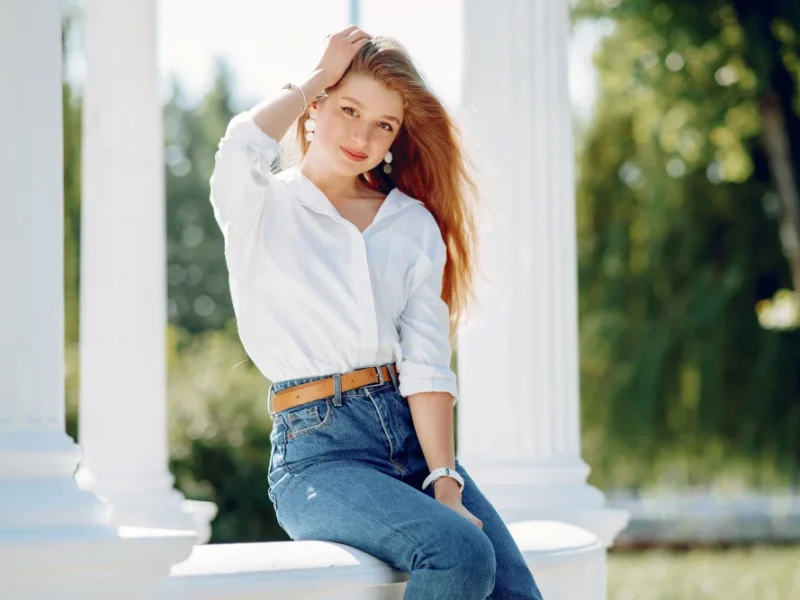

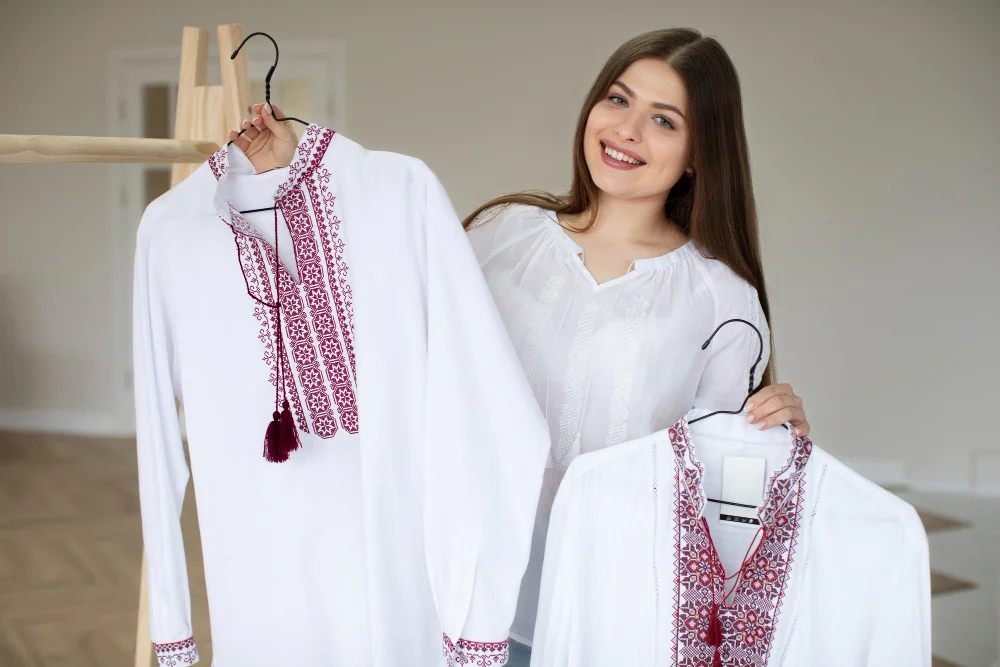
You bought a plain kurti because it was comfortable, affordable, and practical. Then it sat in your closet feeling invisible. The truth isn’t that the kurti is boring—it’s that nobody ever taught you that plain pieces are the secret foundation of powerful style. While embellished kurtis announce themselves loudly, a plain one is a blank canvas. The difference between a plain kurti that disappears and one that becomes your signature? It’s not more fabric. It’s intention. This guide walks you through the psychology and technique that transform simplicity into sophistication.
Quick Answer Block
How do you style a plain kurti so it doesn’t look boring?
The secret is proportion balance, color intention, and strategic accessories. Start by pairing your plain kurti with a contrasting bottom (structured palazzo pants, fitted leggings, or a skirt), add one statement accessory (jewelry or a layering piece), and commit to the fit—a well-fitting plain kurti is always more compelling than an ill-fitting embellished one. According to fashion psychology research, wearing clothes that align with your self-concept leads to higher self-esteem and emotional resilience, which is precisely why simple, intentional dressing beats trend-chasing every time.
The Psychology of Plain: Why Simple Works
Most women assume a plain kurti needs more to work. More embroidery, more color, more detail. Actually, the opposite is true. Fashion psychology shows that confident selves are linked to outfits that give assurance and empowerment—carefully selected clothes for work or social occasions. Plain pieces create this assurance because they force you to be intentional about every choice you make.
When you start with a plain kurti, you’re forced to think about:
- Proportion balance — Does this bottom complement the length and drape?
- Color intention — Am I choosing this color deliberately, or by default?
- Fit precision — Does every piece sit exactly where it should?
This is the opposite of casual. This is calculated confidence. And it reads immediately.
Plain kurtis also solve a real problem that embellished pieces create: they don’t fight with anything else you wear. You can layer them, belt them, drape them, and pair them with textures that would overwhelm a heavily embroidered piece. This flexibility is where boring becomes powerful.
The Foundation Rule: Fit is Everything
A badly fitted kurti—plain or embellished—will never look intentional. With plain pieces, fit becomes visible immediately because there’s nothing else to distract the eye.
What “fit” actually means:
- Length: Should hit at mid-knee (for short kurtis) or mid-calf (for long kurtis). If it’s hitting your widest point, it’s working against you.
- Sleeve fit: Should follow your arm without pulling or gaping. Sleeves that are too tight read as cheap; too loose read as shapeless.
- Neckline: Should sit cleanly without gaping at the neck or pulling across the shoulders.
- Overall silhouette: Your kurti should skim your body without clinging or drowning. This is non-negotiable for plain pieces.
The fix: If your plain kurti doesn’t fit perfectly, get it tailored. A ₹500 alteration turns a mediocre piece into a foundation-level staple. This is not optional for plain kurtis—fit IS the style.
Best Options by Occasion: When a Plain Kurti Shines
For Casual Daily Wear
Pair a plain cotton or linen kurti with fitted leggings or straight-cut jeans. The goal here is balance and ease.
What makes this work: A plain kurti’s simplicity pairs beautifully with fitted bottoms because the bottom creates definition that the kurti alone can’t provide. Add a simple crossbody bag and minimal jewelry (stud earrings, a single pendant). The outfit says “I got ready on purpose” without looking like you tried hard.
Psychological principle: Research on enclothed cognition shows that when people wear clothes aligned with a specific role or identity, they begin to adopt the mindset associated with it. Casual-but-intentional dressing primes your brain for relaxed confidence.
For Office or Semi-Formal Settings
This is where plain kurtis become your secret weapon. Pair a plain kurti with structured palazzo pants or cigarette pants in a coordinating neutral tone. Add a statement necklace or layered pendant to draw attention upward (creating authority signals). Choose a structured handbag and slip-on loafers or flat-front heels.
What makes this work: Plain pieces signal authority and restraint—the opposite of trying too hard. The 2026 evolution of confident style is defined by what it actively communicates: authority, restraint, and confidence that does not seek validation. A plain kurti with intentional accessories reads as someone who knows what she’s doing.
Color tip: Neutrals (cream, black, navy, rust) read as more professional than bright colors or prints, even on a plain piece.
For Social Gatherings and Festive Settings
Pair a plain kurti with a contrasting skirt, dhoti pants, or palazzo pants in a bold jewel tone. Add a dupatta in a complementary print or texture draped elegantly. Layer with a shrug or lightweight jacket if the occasion calls for it.
What makes this work: The bottom and dupatta do the visual work; your plain kurti is the anchor. This balance—simple top, statement bottom—is the opposite of overwhelming and reads as intentionally sophisticated.
Pro styling principle: When your kurti is plain, choose ONE statement piece for your bottom half. If the pants are bold and printed, keep the dupatta solid. If the pants are solid, the dupatta can be intricate.
The Color Game: How Plain Kurtis Become Powerful Through Shade
A plain kurti in the wrong color for your skin tone and the occasion will look lifeless, no matter how perfect the fit. Color is where plain pieces either become invisible or magnetic.
For warm undertones (golden, olive, warm beige skin):
- Warm neutrals: Cream, warm beige, terracotta, warm bronze
- Jewel tones: Emerald, warm red, mustard, warm gold
- Avoid: Cool grays, icy blues, cool pinks (these drain warmth)
For cool undertones (pink, rosy, cool beige skin):
- Cool neutrals: Crisp white, cool gray, navy, charcoal
- Jewel tones: Sapphire, cool red, burgundy, cool plum
- Avoid: Warm golds, terracotta, warm oranges (these muddy cool skin)
For deep skin tones (medium to very deep):
- Bold is better than subtle. Jewel tones, bright colors, and saturated hues look stunning because they have enough contrast to make an impact.
- Neutrals: If you choose neutrals, go for true white, true black, or warm caramel (not beige or muddy browns).
For light skin tones:
- Soft colors work. Pastels, muted tones, and subtle shades are flattering without looking washed out.
- Bold colors work too, but they carry more visual weight. Balance with structured cuts and proportions.
Psychology of color: Different colors have different effects on physical and mental health, and wearing colors aligned with your mood can increase enthusiasm and joy. Your plain kurti color should be something that makes you feel, not just look, better.
Read Also: How to Look Polished, Feminine, and Put Together: A Complete Guide for South Asian Women
Accessories: The Difference Between Invisible and Irresistible
This is where a plain kurti transforms. But there’s a science to it. Too many accessories and you look like you couldn’t decide. Too few and you’ve wasted a perfectly good outfit.
Statement Jewelry
For a plain kurti, choose one statement piece:
- Statement necklace: Heavy, bold, chunky. Works best with crew necks or boat necks. Instantly elevates any plain kurti from “comfortable” to “intentional.”
- Statement earrings: Chandelier jhumkas, large hoops, long drops. Works best when you’re not wearing a heavy necklace.
- Layered bracelets or bangles: If you’re pairing with a plain kurti, 3-4 simple bangles or bracelets in matching metals creates visual interest without chaos.
The rule: One heavy, one medium, one light. Not all three at once.
Layering Pieces That Transform Plain Kurtis
Shrug or Cropped Jacket: Pairs beautifully with plain kurtis because the layering creates dimension that plain fabric can’t provide alone. Choose contrasting colors (navy shrug over cream kurti, rust shrug over white kurti). Instantly makes the outfit feel intentional and modern.
Denim or Leather Jacket: Creates an instant fusion look. Plain kurti + denim jacket + jeans = polished-casual. Plain kurti + leather jacket + palazzo pants = sophisticated. The jacket does the personality work; your plain kurti does the foundation work.
Dupatta (Scarf): Don’t just wear your dupatta around your shoulders like an afterthought. Drape it intentionally—across one shoulder, wrapped twice around the neck, pinned asymmetrically at the shoulder. The way you wear it signals whether you’re being intentional or just going through motions.
Belts: The Secret Weapon
A well-placed belt transforms a shapeless plain kurti into something with definition and intention. Choose a structured belt in leather, metal, or woven fabric and cinch at your natural waist. This works especially well if your kurti is longer or has a looser silhouette.
Psychology principle: Fashion psychology research shows that body type awareness and clothing that defines and honors your body shape increases self-esteem and body image satisfaction. A belt does exactly this—it creates visual definition.
Bottoms: The Foundation for Plain Kurti Perfection
Your choice of bottom determines whether your plain kurti reads as boring or intentional.
Fitted Leggings (Churidaar or Fitted Leg)
Best for: Daily casual, office, social gatherings
How to choose: Fit should be snug but not restrictive. Length should reach your ankle. Fabric matters—cotton blends are more comfortable than pure nylon.
Color rule: Match your kurti’s tone (light kurti + light leggings, dark kurti + dark leggings) OR go for contrast if you want the bottom to be the statement (plain white kurti + emerald leggings).
Palazzo Pants
Best for: Office, semi-formal, festive occasions
How to choose: Should hit your heel; enough width that the leg grazes rather than clings. Structured fabrics (cotton blends, linen) work better than flowy fabrics for a polished look.
Why it works with plain kurtis: The drape and proportion of palazzo pants create visual interest that balances a plain kurti’s simplicity.
Straight-Cut Jeans or Trousers
Best for: Casual, modern fusion look
How to choose: Should sit at your natural waist, not drop-waist (which creates awkward proportions with a kurti). Go for dark washes for a polished look, lighter washes for casual.
Why it works: Jeans instantly signal “this is intentional fusion style,” not “I defaulted to pants.” Combined with a plain kurti, this reads as modern, confident, and effortless.
Skirts
Best for: Casual, semi-formal, festive
How to choose: A-line skirts flatter most body types and pair beautifully with plain kurtis. Midi length (knee to mid-calf) is most versatile.
Why it works: A plain kurti + skirt creates a completely different visual than kurti + pants. The femininity of a skirt makes a plain kurti feel more special.
Read Also: How to Wear Kurtis with Confidence: The Complete Shoe Guide
Mistakes to Avoid: What Kills a Plain Kurti Look
Mistake 1: Underestimating Fit
Many women assume a plain kurti doesn’t need to fit perfectly because “it’s so simple.” Actually, simplicity means every inch of fit becomes visible.
The fix: Invest in tailoring. A ₹300-500 investment in hemming, taking in at the sides, or adjusting the neckline transforms a mediocre plain kurti into a foundation piece.
Mistake 2: Pairing Plain Kurti With Shapeless Bottoms
Plain kurti + loose salwar + loose dupatta = shapeless. Proportion works against you here.
The fix: If your kurti is loose, choose fitted bottoms (leggings, cigarette pants). If your kurti is fitted, you have more flexibility with your bottoms.
Mistake 3: Too Many Competing Accessories
Statement necklace + statement earrings + statement belt + bangles + heavy dupatta = visual chaos. Your eye doesn’t know where to land.
The fix: Choose ONE statement piece. Let everything else be subtle. If you’re wearing a heavy necklace, skip the earrings or wear simple studs. If you’re wearing statement earrings, keep the necklace simple or skip it.
Mistake 4: Ignoring Color Contrast
Plain kurti in cream + leggings in cream + dupatta in cream = you disappear into a blob of beige.
The fix: Choose contrast. Light kurti + dark leggings. Dark kurti + light bottom. Or go neutral on the bottom and add contrast in accessories (gold necklace, colorful dupatta, statement shoes).
Mistake 5: Defaulting to Plain Because You’re “Not a Fashion Person”
This is the most dangerous mistake. Plain doesn’t mean low-effort. Plain means intentional.
The fix: Stop thinking “I’m wearing a plain kurti so I don’t have to think.” Instead, think “I’m wearing a plain kurti SO I have to think about every choice.” This mindset shift changes everything.
Pro Tips: The Insider Knowledge
The “Borrowed From” Technique
Take a styling principle you love from Western fashion and apply it to your plain kurti. See a simple white button-down styled with tailored pants and gold jewelry? Apply the same principle to your plain white kurti: pair it with structured pants and gold accessories. The principle translates across fashion systems.
The Texture Play
A plain kurti in cotton reads differently than the same plain kurti in silk or linen. Cotton is casual; silk is luxe; linen is intentional-casual. Choose your fabric based on the vibe you want, not just the price point.
The “Rule of Three” Color Approach
Limit your outfit to three colors maximum. Plain kurti (color 1) + bottoms (color 2) + accessory accent (color 3). This creates visual cohesion instead of visual noise. A plain kurti naturally enforces this discipline because you can’t hide behind print.
Seasonality Matters, Even for Basics
A plain linen kurti in summer reads fresh and intentional. A plain heavy cotton kurti in summer reads like you didn’t think it through. Fabric choice signals intention as much as color does.
The Confidence Principle
Studies show that dressing for how you want to feel—rather than where you’re going—activates the mindset associated with that feeling. If you want to feel confident in your plain kurti, wear it like you’ve already decided it’s beautiful. Your energy makes the outfit, not the other way around.
Read Also: Dressing Like a TradWife: A Timeless, Practical, and Authentic Style Guide
Quick Reference Styling Checklist
Use this checklist before you leave the house in your plain kurti:
Fit & Silhouette
- Kurti length is intentional (mid-knee for short, mid-calf for long)
- Sleeves fit without gaping or pulling
- Overall silhouette skims without clinging or drowning
- Neckline sits cleanly
Color & Tone
- Kurti color is flattering to my skin tone
- There’s clear contrast between kurti and bottoms (or intentional tonal matching)
- Accessory colors complement, not compete
Proportion Balance
- If kurti is loose, bottoms are fitted (or vice versa)
- Top and bottom feel balanced—not weighted toward either
- Accessories scale appropriately to my body and outfit
Accessories
- I have ONE statement piece (necklace, earrings, belt, or layering piece)
- Other accessories are subtle/background
- Metals match or intentionally contrast
The Final Test
- Can I explain why I chose each piece? (If not, it’s default, not intentional)
- Do I feel confident in this outfit? (Confidence is visible and contagious)
Frequently Asked Questions
Q1: Can you style a plain kurti for formal events?
Yes. Pair it with structured palazzo pants in a complementary jewel tone, layer with a shrug or jacket in a contrasting color, add statement jewelry, and choose heels or formal footwear. The key is proportion balance and intention. A plain kurti reads as sophisticated and understated—which is exactly what formal dressing demands.
Q2: How do I prevent a plain kurti from looking like loungewear?
Fit and intention. Loungewear reads as loose, unstructured, unthinking. A plain kurti becomes loungewear when it’s oversized, paired with shapeless bottoms, styled with minimal thought, and worn without any intentional accessorizing. The fix: tailored fit, structured bottoms, at least one intentional accessory.
Q3: What fabric works best for plain kurtis?
Cotton is most versatile. Linen reads intentional-casual. Silk reads luxe. Rayon blends offer drape and ease. Choose based on occasion and feel, not price. A ₹200 cotton plain kurti styled intentionally beats a ₹3,000 embellished kurti styled on autopilot.
Q4: Can I wear a plain kurti to a wedding?
Absolutely. Pair it with a statement skirt or dhoti pants in a jewel tone, layer with a shrug or jacket, add your best jewelry, and choose occasion-appropriate footwear. The plain kurti becomes the anchor; the bottom and layering pieces become the statement.
Q5: How many plain kurtis should I own?
Three is the minimum for a functional wardrobe: one neutral (white, cream, or black) for everyday, one in a tone that flatters you personally, one in a jewel tone for occasions. These three can be styled 20+ different ways if you invest in diverse bottoms and accessories.
Q6: Does a plain kurti work for all body types?
Yes, because you control the fit and proportions. Pear-shaped? Pair a fitted kurti with a structured bottom. Apple-shaped? Add a belt to define your waist. Hourglass-shaped? Show off your silhouette with a fitted kurti and fitted bottoms. Plain pieces are actually better for body-conscious styling because fit becomes your primary tool.
Q7: What’s the difference between a boring plain kurti and an intentional one?
Intentionality. A boring plain kurti is chosen by default, paired without thought, and worn with minimal accessories. An intentional plain kurti is chosen deliberately for color and fit, paired with strategic bottoms and one statement piece, and worn with confidence. The kurti is the same; the mindset is different.
Conclusion
A plain kurti isn’t boring—it’s a foundation for intentional style. When you strip away embroidery and print, you’re forced to think about fit, proportion, color, and intention. This isn’t less; it’s actually more work. But it’s the kind of work that builds real confidence because every choice you make is visible.
The women who make plain kurtis look effortless are the ones who’ve decided that simplicity is an advantage, not a limitation. They’ve mastered fit. They understand proportion. They know their colors. They accessorize with intention. And they wear it all with the confidence that comes from knowing exactly why every piece is there.
Start with one plain kurti in a color that makes you feel good. Get it fitted perfectly. Then experiment with bottoms, layers, and accessories until you find your formula. The kurti won’t change. But the way you wear it will transform everything.
Ready to take your style further? Read our companion guide on: 7 Best Shoes Every Woman’s Wardrobe Actually Needs
For comprehensive styling tips, see our South Asian Styling & Wardrobe Guide