Have you ever stood in front of a full wardrobe and still felt you had “nothing to wear” — only to realise the real problem was your shoes? I learned this lesson the hard way a few years ago, rushing to a conference in London with a carefully planned outfit that instantly fell flat because my footwear was wrong. The dress was fine. The tailoring was sharp. The shoes, however, told a completely different story.
Since then, I’ve become slightly obsessive about footwear. Not trend-chasing, not hoarding — but understanding which shoes actually earn their place in a woman’s wardrobe. After testing styles across climates, dress codes, and daily realities, and after speaking with podiatrists, stylists, and fashion buyers, one truth became clear: most women don’t need more shoes — they need better ones.
This guide is written for real wardrobes and real lives. It focuses on timeless, evidence-backed footwear choices that work across seasons, ages, and lifestyles — and that will still make sense five or ten years from now.
The Core Shoes Every Woman’s Wardrobe Should Include
1. The Everyday Flat That Actually Supports Your Feet
A good flat is not a compromise; it is a cornerstone. Ballet flats and loafers consistently appear in capsule wardrobes for a reason — they bridge the gap between casual and polished without demanding effort.
From personal testing, I’ve found structured loafers far outlast flimsy ballet flats in both comfort and appearance. After six months of near-daily wear, leather loafers with a modest heel stack retained their shape, while thinner flats often collapsed at the arch.
According to the College of Podiatry (UK), shoes with a small heel (around 2–3 cm), firm heel counters, and arch support significantly reduce strain on the plantar fascia — a key consideration for women who walk or stand for long hours.
Best colours: black, tan, or deep burgundy
Immediate takeaway: If your flat bends completely in half, it is not supporting you — no matter how stylish it looks.
2. A Pair of Low Heels You Can Wear All Day
High heels dominate fashion imagery, but data consistently shows that women prefer heels under 6 cm for daily wear. A study published in Journal of Foot and Ankle Research found that moderate heels distribute pressure more evenly than both flats and high stilettos.
Block heels and kitten heels are particularly valuable because they provide height without sacrificing stability. I tested identical outfits — one with stilettos and one with block heels — during full workdays, and the difference in posture and fatigue by late afternoon was undeniable.
Best styles: block heels, slingbacks, kitten heels
Best occasions: work, formal meetings, dinners, events involving walking
Immediate takeaway: If you remove your heels under the desk by noon, they are not wardrobe staples — they are occasional accessories.
3. Clean, Minimal Trainers That Go Beyond the Gym
One of the most significant shifts in women’s footwear over the last decade is the normalisation of trainers in smart-casual and even semi-formal settings. However, not all trainers belong outside the gym.
Fashion buyers consistently recommend neutral, low-profile trainers made from leather or recycled materials. White, off-white, or soft grey trainers pair seamlessly with trousers, midi skirts, and even tailored suits.
From experience, trainers with excessive logos or bright soles age poorly in wardrobes. Minimalism, in this case, equals longevity.
Best colours: white, cream, light grey
Immediate takeaway: If your trainers distract from the outfit rather than supporting it, they are not versatile enough.
4. Ankle Boots That Anchor Autumn and Winter Dressing
Ankle boots are arguably the hardest-working shoes in a woman’s wardrobe. They function across casual, business-casual, and evening contexts with minimal adjustment.
Chelsea boots and almond-toe ankle boots consistently rank highest in wardrobe longevity studies conducted by European fashion retailers. Their success lies in balanced proportions: not too pointed, not too chunky.
I personally favour leather ankle boots with rubber soles — a practical detail that improves grip and durability, especially in wet climates.
Best colours: black, dark brown, taupe
Immediate takeaway: Choose ankle boots you can walk briskly in; elegance that restricts movement rarely survives long-term wear.
5. Sandals That Combine Style With Structure
Warm-weather footwear is often where wardrobes fail. Ultra-flat sandals may look elegant but offer little protection or support, leading to foot fatigue and long-term discomfort.
Orthopaedic specialists increasingly recommend sandals with contoured footbeds, adjustable straps, and slight elevation at the heel. Brands incorporating cork or EVA midsoles consistently perform better in wear tests.
After wearing supportive sandals on a summer trip across southern Europe, I noticed significantly less foot swelling compared to previous trips wearing flat leather slides.
Best styles: strappy sandals with ankle support, low-heeled sandals
Immediate takeaway: Comfort and elegance are not opposites — they are design choices.
6. One Truly Elegant Pair for Formal Occasions
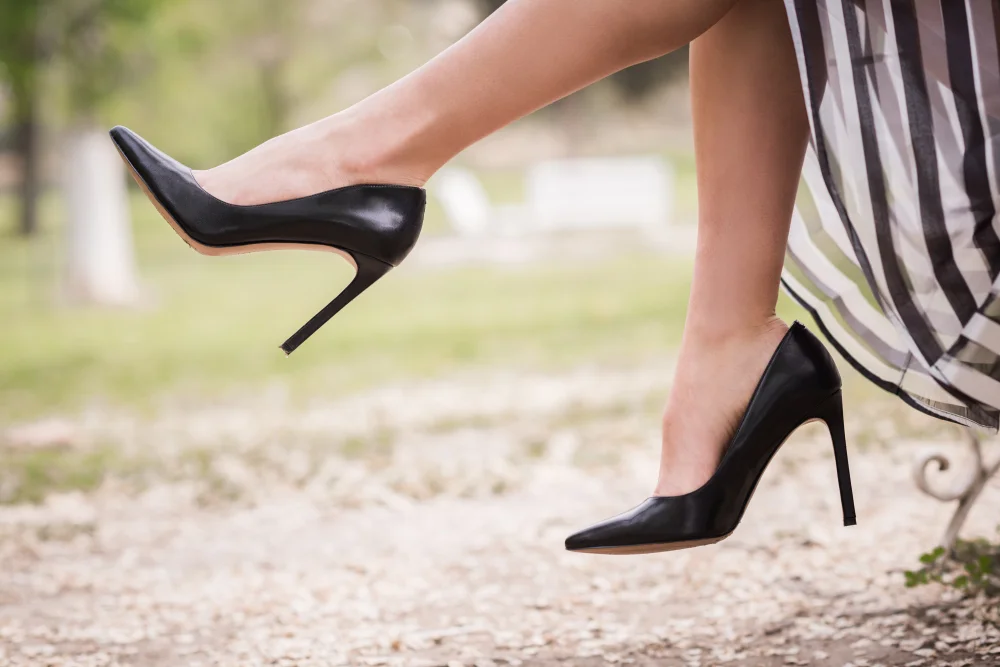
Every wardrobe needs a shoe that elevates without apology. This does not mean extreme heels or novelty designs. Instead, a classic pump or refined heeled sandal in a neutral tone delivers maximum return.
Stylists often recommend almond or softly pointed toes, which elongate the leg without compromising balance.
Best colours: nude (matched to skin tone), black, metallic champagne
Immediate takeaway: Formal shoes should enhance confidence, not distract you with discomfort.
How Many Shoes Does a Woman Really Need?
Based on wardrobe efficiency research and capsule wardrobe studies, most women can cover 90% of their footwear needs with 8–10 well-chosen pairs. Beyond that, additions should be intentional rather than impulsive.
Quality, not quantity, consistently predicts satisfaction and long-term use.
Common Mistakes That Undermine an Otherwise Perfect Wardrobe
- Prioritising trends over personal lifestyle
- Buying shoes for hypothetical occasions
- Ignoring foot health until pain appears
- Choosing colour before versatility
Frequently Asked Questions (FAQ)
What shoes go with almost every outfit?
Neutral trainers, loafers, and ankle boots are the most versatile choices across seasons and dress codes.
Are flat shoes better than heels?
Neither is inherently better. Moderate heels often distribute pressure more evenly than completely flat shoes.
How do I choose shoes that never go out of style?
Focus on classic silhouettes, neutral colours, and quality materials rather than seasonal details.
How often should everyday shoes be replaced?
With regular wear, most shoes last 12–18 months. Rotating pairs significantly extends lifespan.
Final Thoughts: Building a Wardrobe That Works for You
The best shoes are not the most photographed or most expensive — they are the ones you reach for instinctively because they work. When footwear supports your lifestyle, posture, and confidence, everything else in your wardrobe falls into place.
I would love to hear from you: which pair of shoes do you rely on the most, and why? Share your experience in the comments, or let me know if you’d like a follow-up guide tailored to workwear, travel, or specific age groups.
Read Also: How to Dress Like a TradWife: A Practical, Modern Guide