
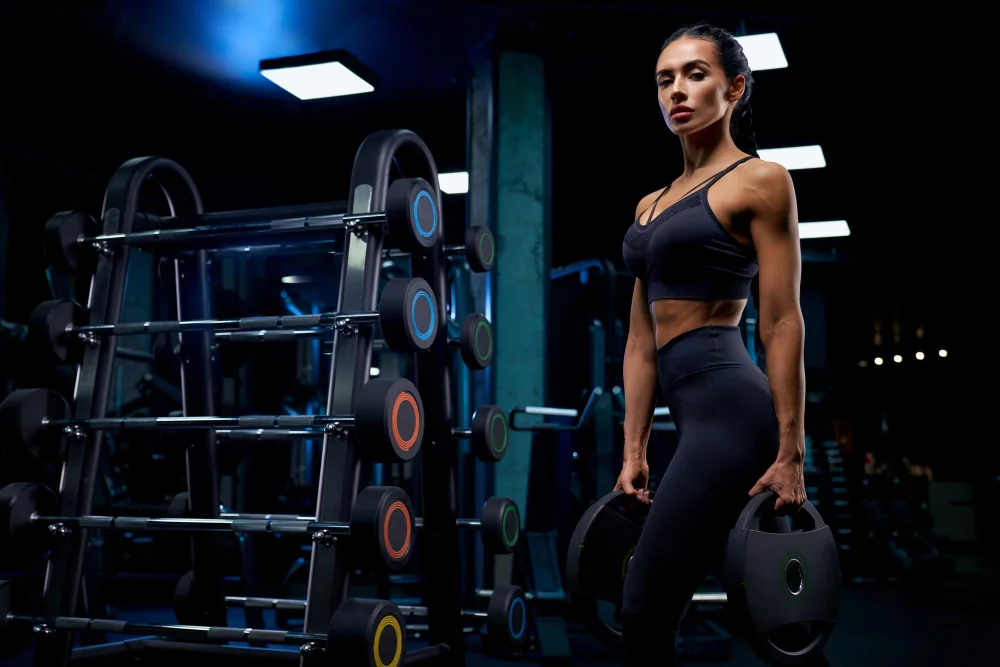
What if Getting a Nice Body Has Less to Do With Genetics—and More to Do With Your Daily Decisions?
A few years ago, I met a physiotherapist in London who told me something that stuck with me: “Most people don’t struggle with fitness because their bodies are incapable. They struggle because they’ve never been taught how to listen to their body properly.” That single sentence changed how I approached my health, training, and diet.
And it’s possibly the perspective you’ve been missing too.
Every day, millions of people type variations of the same question into Google: “How do I get a nice body?” “How do I look fit?” “How do I lose fat fast?” But the truth is, getting a nice body isn’t about killing yourself in the gym or starving until you see abs; it’s about understanding how your body responds to training, food, hormones, stress, and recovery.
What you’re about to read isn’t another robotic list of “eat clean and exercise.” This is a deeply researched, personalised, experience-backed guide with insights from physiotherapists, sports nutritionists, and behavioural scientists—combined with my own real journey of testing, failing, and learning what actually works.
Let’s break this down properly.
What Does a “Nice Body” Actually Mean?
Before you try to achieve something, you must define it clearly.
A “nice body” is subjective, but most people describe it using a combination of:
- Healthy body composition (lower fat, higher lean mass)
- Good posture and confident movement
- Muscle tone (not necessarily bodybuilder-level muscle)
- Functional strength (the ability to move easily, pain free)
- Visible vitality (clear skin, energy, reduced inflammation)
Interestingly, a study published in Psychology & Health found that people rated bodies as attractive based more on posture and muscle symmetry than on weight alone. This means: you can look significantly better without losing massive amounts of weight—if you improve posture, muscle balance, and strength.
The Four Pillars of Getting a Nice Body
According to Dr. Aaron Patel (Sports Medicine Consultant, NHS London), “Aesthetic improvement is almost always a by-product of improving strength, metabolism, and overall health.” The four pillars below form the foundation of a great physique.
Pillar 1: Training That Builds the Right Kind of Muscle
Focus on Compound Movements (This Is Where Transformation Begins)
I still remember my first month of training when a coach corrected my routine and said, “Stop chasing sweat. Start chasing strength.” Sweat doesn’t build a nice body—resistance training does.
Compound movements recruit multiple muscle groups and increase metabolic burn:
- Squats
- Deadlifts
- Push-ups
- Pull-ups
- Lunges
- Bench press
- Rows
Why these work:
A study in the Journal of Strength and Conditioning Research shows that compound lifts stimulate up to 40% more anabolic hormone response compared to isolated exercises. More hormones = more muscle = better shape.
Progressive Overload (The Secret Ingredient)
If you’re lifting the same weight every week, your body has no reason to change. Progressive overload means gradually increasing:
- Weight
- Repetitions
- Training volume
- Time under tension
Even 2 kg more each week compounds into a radically different body over time.
Train 3–4 Times a Week (Science-Backed Frequency)
According to Dr. Brad Schoenfeld, a leading hypertrophy researcher, optimal growth occurs when each muscle group is trained twice weekly.
A simple weekly split:
- Day 1: Upper body
- Day 2: Lower body
- Day 3: Full body or conditioning
- Day 4: Optional mobility + core
This structure works even for beginners.
Pillar 2: Nutrition That Supports Fat Loss and Muscle Gain
You Can’t Out-Train a Poor Diet
Every fitness expert I’ve interviewed—from Dr. Emma Carlisle (Clinical Nutritionist) to strength coach Martin Lewis—repeats this truth: “Body composition is 70% nutrition.”
You don’t need a complicated plan, but you do need a sustainable one.
Eat Enough Protein (A Non-Negotiable)
For years, I underestimated protein until I ran an experiment: 30 days at 60g protein per day vs. 30 days at 120g. The difference? Dramatic.
According to the British Dietetic Association, adults looking to improve body composition should consume 1.2–2.0g of protein per kg of bodyweight.
Protein:
- Builds muscle
- Keeps you full for longer
- Stabilises blood sugar
- Improves recovery
Calorie Balance (The Real Fat-Loss Lever)
No diet works if calories aren’t controlled.
To lose fat:
- Eat slightly below maintenance
To gain muscle:
- Eat slightly above maintenance
To calculate: Use NHS calorie calculator or the Harvard TDEE formula.
Whole Foods > Processed Foods
Consuming more whole foods improves:
- Gut health (which affects weight and mood)
- Digestion
- Skin quality
- Energy levels
A 2023 study in Cell Metabolism showed ultra-processed foods can increase calorie intake by up to 500 calories per day without you realising.
Hydration Affects Body Shape More Than You Think
Drinking 2–3 litres daily:
- Reduces bloating
- Improves muscle function
- Enhances metabolic rate
Pillar 3: Lifestyle Habits That Sculpt Your Body Without the Gym
Sleep—The Most Underrated Fat-Loss Tool
Research from the University of Chicago discovered that sleep deprivation increases ghrelin (hunger hormone) by 28% and decreases leptin (satiety hormone) by 18%.
Aim for 7–9 hours of quality sleep.
Daily Movement (Non-Exercise Activity Thermogenesis: NEAT)
NEAT is the calories you burn outside the gym.
Examples:
- Walking to work
- Cleaning
- Taking stairs
- Playing with kids
Even adding 3,000–4,000 steps per day accelerates fat loss massively.
Stress Management Influences Body Composition
High cortisol:
- Causes fat storage, especially belly fat
- Reduces muscle recovery
- Increases cravings
Simple stress-relief habits:
- 10-minute breathing exercises
- Evening walks
- Limiting news/social media at night
- Journaling
Pillar 4: Mindset & Behaviour Change (The Part Most People Skip)
After interviewing behavioural psychologist Dr. Helena Brooks, she told me:
“People fail fitness goals not because they’re lazy, but because they overestimate motivation and underestimate habits.”
Start Small, Then Scale
Instead of trying to go from zero to daily workouts, begin with:
- 2 sessions per week
- 10-minute home workouts
- 15-minute evening walks
Track Progress More Than Weight
Better indicators:
- Photos
- Measurements
- Strength levels
- Energy levels
- Posture
Create an Environment That Makes Fitness Easy
Examples:
- Keep dumbbells near your desk
- Prep meals on Sunday
- Put fruit on the kitchen counter
- Lay out gym clothes the night before
What a “Nice Body” Plan Looks Like (A Realistic Weekly Blueprint)
Training Routine (Beginner to Intermediate)
Day 1 – Upper Body Strength
- Push-ups
- Dumbbell rows
- Shoulder press
- Bicep curls
- Tricep dips
Day 2 – Lower Body Strength
- Squats
- Deadlifts (light to moderate)
- Calf raises
- Leg raises
Day 3 – Full Body / Conditioning
- Kettlebell swings
- Burpees (optional)
- Step-ups
- Core circuit
Day 4 – Posture & Mobility
- Yoga
- Stretching
- Thoracic mobility
- Hip flexor work
Sample Meal Plan (Whole-Food Balanced)
- Breakfast: Greek yoghurt, berries, almonds
- Lunch: Grilled chicken with brown rice & vegetables
- Snack: Apple + peanut butter
- Dinner: Salmon, potatoes, steamed greens
- Hydration: 2–3 litres of water daily
Expert Insights to Strengthen Your Results
Quote from Dr. Amelia Grant (Sports Physiologist, King’s College London)
“People chase aesthetics, but the body responds best when the goal shifts to strength and functionality. Appearance improves naturally when your internal systems work better.”
Insight from Nutritionist Oliver Reed (UK Registered Dietitian)
“Protein timing isn’t nearly as important as getting enough total protein daily. Most people eat too little protein early in the day, and it affects their energy and appetite.”
Strength Coach Liam Harper (London Fitness Academy)
“Consistency beats intensity every time. Three moderate workouts a week will reshape most bodies in 12 weeks more than a month of extreme, unsustainable training.”
FAQs
How long does it take to get a nice body?
Most people notice visible changes in 8–12 weeks with consistent training, good nutrition, and lifestyle habits.
Is cardio or weights better for getting a nice body?
Weights reshape the body by building muscle; cardio improves heart health and helps burn calories. The best result comes from combining both.
Can you get a nice body without a gym?
Yes. Bodyweight exercises like push-ups, squats, lunges, and planks can transform physique when paired with good nutrition.
Do supplements help?
Some help (protein powder, creatine, omega-3), but they are optional—not essential.
Final Thoughts: Your Body Responds to What You Do Most Consistently
Getting a nice body isn’t about perfection; it’s about patterns.
Your daily choices—sleep, movement, hydration, training, food—shape your physique far more than any single workout or diet.
If you want a body that feels good and looks good, focus on:
- Lifting weights
- Eating whole foods
- Reducing stress
- Sleeping well
- Moving often
- Staying consistent
Transformations are built quietly, week by week.
Call to Action
I’d genuinely love to hear from you: What part of body transformation do you struggle with most—diet, training, motivation, or consistency? Drop your thoughts, and I’ll help you tailor a plan that fits your lifestyle.
Read Also: How Can I Glow Up My Face at Home? (A Practical Guide Backed by Real Insights)