
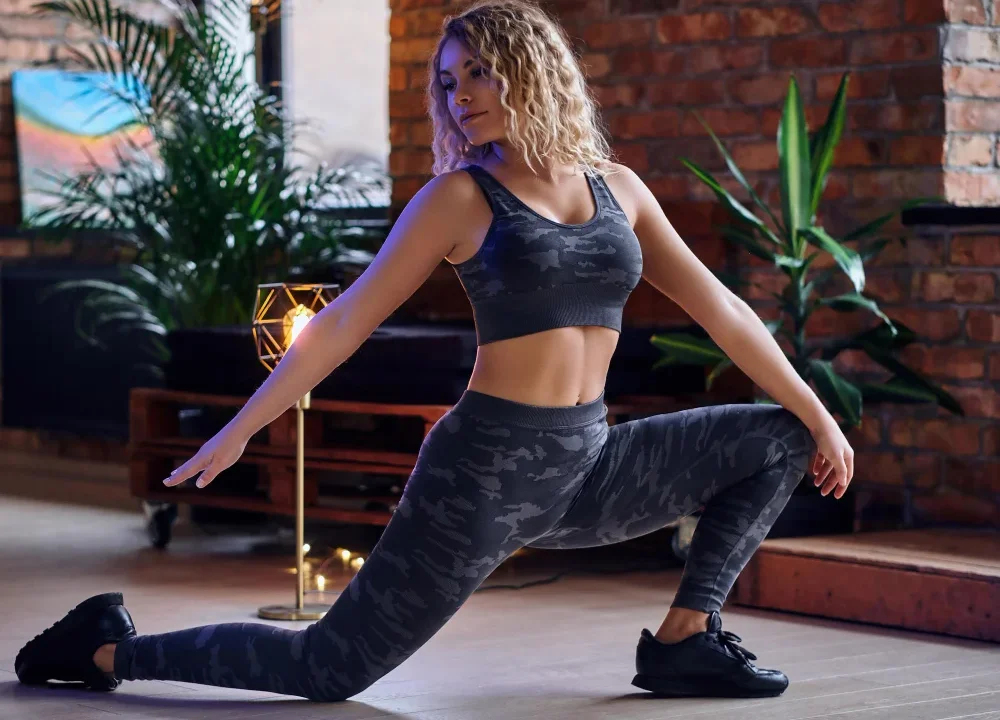
Women’s fitness journeys are as unique as they are powerful. Whether you’re juggling work, family, caregiving responsibilities, or simply prefer the privacy and convenience of your own space, home workouts offer a path to real strength gains, cardiovascular health, and mental resilience—without a gym membership, intimidation factor, or wasted commute time.
This comprehensive guide covers everything you need to know to design, execute, and maintain an effective home workout routine that grows with your fitness level and fits seamlessly into your life.
Why Home Workouts Work for Women
The science is clear: home-based fitness is not a compromise—it’s a solution. According to the American Heart Association, resistance training performed consistently with proper progression delivers significant strength gains and cardiovascular benefits, and home workouts can deliver the same results as gym-based programs when structured correctly.
Three key advantages stand out:
1. Eliminate Barriers, Build Consistency Only about one in five American adults meet aerobic exercise guidelines, and just 20% complete regular strength training sessions. The biggest culprit? Friction. Home workouts remove the excuses: no commute, no waitlists for equipment, no self-consciousness. Research consistently shows that removing environmental barriers is the single strongest predictor of long-term adherence to fitness routines.
2. Control Your Environment, Reduce Stress When you work out at home, you control the pace, intensity, and atmosphere. This autonomy builds confidence—especially important for women who may be re-entering fitness after time away, managing anxiety, or recovering from injury. The Mayo Clinic reports that regular exercise can be as effective as antidepressants in boosting mood and reducing anxiety symptoms. Exercise lowers cortisol (your stress hormone) and increases endorphins, creating a natural anxiety buffer that extends far beyond your workout.
3. Build Strength Without Guesswork Women’s bodies respond to resistance training exactly the same way men’s bodies do: we get stronger, our muscles grow in size, and our metabolic rate increases. Contrary to myth, women won’t develop bulk from strength training—we’ll develop lean muscle, stronger bones, and improved body composition. Working out at home lets you focus entirely on learning proper form without external pressure, building the strong movement foundation that prevents injury in daily life.
How Much Exercise Do You Actually Need?
The American Heart Association provides clear, achievable guidelines:
- Aerobic activity: 150 minutes of moderate-intensity activity (like brisk walking) or 75 minutes of vigorous activity per week
- Strength training: Moderate- to high-intensity muscle-strengthening activity at least 2 days per week, targeting all major muscle groups
- Flexibility and balance: Stretching and balance work (yoga, tai chi, or lower-body strength training) to maintain mobility and prevent falls
The good news: these recommendations are flexible and stackable. You can combine aerobic and strength training in the same 30-minute session, or split them across different days—whatever fits your schedule.
The Core Components of an Effective Home Workout Routine
Every well-rounded home workout routine includes these non-negotiable elements:
1. Warm-Up (5 Minutes)
A dynamic warm-up widens your blood vessels, ensures your muscles are well-supplied with oxygen, and raises muscle temperature for efficiency and flexibility. This isn’t optional—it minimizes stress on your heart and reduces injury risk.
Good warm-up options:
- Arm circles, leg swings, and torso twists
- Light cardio (marching in place, jumping jacks, step-touches)
- Joint mobility drills (cat-cow stretches, hip circles)
2. Strength Training (20–30 Minutes)
Strength training is the cornerstone of any effective home workout. Focus on compound exercises—movements that engage multiple muscle groups at once—rather than isolation exercises. Compound movements are more efficient, more effective, and more directly transferable to real-life activities like carrying groceries, playing with kids, or climbing stairs.
The American Heart Association recommends targeting all major muscle groups: chest, back, arms, core, legs, and glutes. A simple superset circuit (pairing one strength exercise with one cardio/plyometric exercise) maximizes calorie burn and time efficiency, especially for busy women.
3. Cardiovascular Work (Optional, Built-In or Separate)
You can build cardiovascular capacity within your strength routine (using supersets) or dedicate 20–30 minutes to separate aerobic work like brisk walking, dancing, or stationary cycling. The key is elevating your heart rate and sustaining it for the duration.
4. Cool-Down and Stretching (5 Minutes)
Static stretching post-workout helps your muscles recover and improves flexibility. Don’t skip this—it also signals to your nervous system that your workout is complete, aiding stress recovery.
Include:
- Hamstring and hip flexor stretches
- Child’s pose and cat-cow
- Full-body stretches held for 20–30 seconds
A Note for South Asian Women
For women in India, Pakistan, Bangladesh, and across South Asia, home workouts hold particular cultural relevance and practical advantage. The preference for privacy and family-centered wellness is deeply respected; home-based fitness aligns naturally with these values.
Whether you’re navigating work-life balance in a joint family system, managing caregiving responsibilities, or simply preferring a private space to build strength, home workouts eliminate cultural and practical friction. The same science-backed protocols in this guide apply directly—progressive overload, compound movements, consistent recovery, and balanced nutrition.
Women in South Asian communities benefit especially from strength training’s bone density improvements and metabolic support, both protective factors for long-term health across the lifespan. Your fitness journey belongs entirely to you; your home is the perfect place to build it.
Getting Started: Three Fitness Levels
If You’re a True Beginner
Start with a Best Home Workout for Beginners approach using bodyweight only. Your goal is to establish the habit first, learn proper form second, and build confidence third.
Beginner 3-day structure:
- Day 1: Full-body bodyweight circuit (squats, modified push-ups, glute bridges, bird-dog, plank)
- Day 2: Active recovery (walking, stretching, gentle yoga)
- Day 3: Full-body bodyweight circuit (repeat or modify difficulty)
- Days 4–7: Rest or light activity
Form over intensity. If you can’t perform 10 clean reps, reduce the difficulty (knee push-ups instead of standard, wall squats instead of full-depth). Consistency beats perfection.
Just 20 minutes of strength training, five days per week is enough to start seeing results. You’ll notice improved mood, better sleep, and increased strength within 2–3 weeks of consistent effort.
If You Have Some Fitness Background
Upgrade to a 30 Minute Workout Routine at Home that combines strength and cardio in one efficient block. This is the sweet spot for busy women: high-impact results in minimal time.
A 30-minute format allows you to:
- Warm up (5 minutes)
- Perform 3–4 strength-focused supersets (20 minutes)
- Cool down and stretch (5 minutes)
Each superset pairs a strength exercise (dumbbell squats, chest press, rows) with a plyometric or cardio burst (jump squats, burpee modifications, mountain climbers), maintaining elevated heart rate while building muscle.
If You’re Advanced or Coming Back from a Break
Progress to Full Body Workout at Home using progressive overload: increasing reps, adding weight (dumbbells, resistance bands, even a backpack filled with books), or shortening rest periods as your body adapts.
Advanced progressions include:
- Weighted variations (dumbbell lunges, loaded carries, chest press)
- Tempo changes (3 seconds down, 2 seconds up for increased time under tension)
- Reduced rest periods (30 seconds instead of 60 between sets)
- Unilateral movements (single-leg squats, single-arm rows) to address imbalances
The Power of Equipment You Might Already Have
No Equipment Required Bodyweight is surprisingly effective. Squats, push-ups (modified or full), lunges, glute bridges, planks, and mountain climbers engage multiple muscle groups and require zero investment. If you’re exploring No Equipment Workout options, you’ll find that consistent bodyweight training builds real strength and muscle.
Minimal Equipment Amplifies Results A single pair of adjustable dumbbells or resistance bands transforms your options. These tools cost $20–60 and store in a drawer. They allow progressive overload—gradually increasing resistance as you get stronger—which is essential for continuous strength gains.
Resistance bands offer particular advantages: they’re compact, versatile, and safe for joint health because resistance increases throughout the range of motion (forcing your muscles to work harder at full extension).
Structuring Your Week: The Weekly Home Workout Blueprint
A Weekly Home Workout template ensures balanced development and adequate recovery:
Sample Beginner-to-Intermediate Weekly Structure:
- Monday: Full-body strength + cardio superset (30 minutes)
- Tuesday: Active recovery or light yoga (15–20 minutes)
- Wednesday: Lower body focus + core work (30 minutes)
- Thursday: Rest or gentle walking
- Friday: Upper body + cardio (30 minutes)
- Saturday: Full-body circuit or optional longer session (45 minutes)
- Sunday: Rest and recovery
This structure gives you 3 dedicated strength-training sessions, active recovery days to reduce soreness and burn extra calories without intense effort, and adequate rest for muscle repair and nervous system recovery.
Progressive overload principle: Every 2–3 weeks, increase difficulty by 5–10% (add reps, weight, or reduce rest). Your body adapts quickly; challenging it is how you avoid plateaus.
Common Mistakes That Sabotage Results
Even well-intentioned routines fail when key mistakes go unaddressed. A solid understanding of Home Workout Mistakes to avoid saves months of wasted effort:
Mistake #1: Skipping the Warm-Up
A warm-up isn’t a luxury—it’s injury prevention and performance insurance. Cold muscles are tight, less responsive, and injury-prone. Five minutes of dynamic movement raises your core temperature and primes your nervous system.
Mistake #2: Moving Too Fast, Sacrificing Form
Speed is not your friend in home workouts. Quality reps build strength; sloppy reps build bad habits and set you up for injury. Slow, controlled movement (2 seconds up, 1 second pause, 3 seconds down) is vastly more effective than rushed reps. You’ll feel the difference immediately.
Mistake #3: Ignoring Progressive Overload
Doing the same 20-minute workout every single week will feel easy in month two and create zero progress by month three. Your body adapts to stimulus; you must gradually increase difficulty. This doesn’t mean changing workouts constantly—it means gradually increasing reps, weight, or difficulty over weeks.
Mistake #4: Neglecting Recovery
Muscle is built during recovery, not during the workout itself. Adequate sleep (7–9 hours), proper nutrition (especially protein: 0.8–1g per lb of body weight), and strategic rest days are non-negotiable. Overtraining without recovery leads to burnout, injury, and abandonment of the routine.
Mistake #5: Comparing Your Progress to Someone Else’s
Your neighbor’s Instagram highlight reel doesn’t show her first six months of fumbling with form or how long she’s been training. Progress is individual. Track your own metrics: reps completed, weight lifted, how you feel, and how your clothes fit. That’s real progress.
Mistake #6: Training Only What You See in the Mirror
Upper-body and ab work gets attention; lower body and posterior chain (back, glutes, hamstrings) get neglected. Women especially benefit from prioritizing lower-body and glute development for bone density, metabolic benefits, and functional strength. A balanced routine should allocate 40–50% of effort to lower body.
The Mental Health Multiplier
Physical activity’s mental health benefits often exceed its physical benefits—a fact that research consistently validates. A 2024 meta-analysis published in the British Medical Journal found that walking, jogging, yoga, and strength training all significantly reduced depression, with more intense exercise showing greater effects.
For women specifically, these benefits include:
- Anxiety and stress reduction: Exercise lowers the sympathetic nervous system activity (your fight-or-flight response) and reduces cortisol reactivity to stressors.
- Mood elevation: Endorphins released during exercise act as natural antidepressants, with effects lasting hours post-workout.
- Improved sleep: Regular exercise regulates circadian rhythms and sleep architecture, leading to deeper, more restorative sleep.
- Increased confidence: Achieving fitness goals builds psychological resilience and problem-solving confidence that extends to other areas of life.
Only 33% of women currently meet aerobic exercise standards. This isn’t a willpower issue—it’s a friction issue. By removing barriers (working out at home), you remove the primary obstacle to experiencing these life-changing mental health benefits.
Nutrition: The Often-Forgotten Foundation
You can’t out-exercise a poor diet. Combine your home workouts with sound nutrition principles:
- Protein intake: Aim for 0.8–1g of protein per pound of bodyweight daily. This supports muscle repair and recovery.
- Whole foods foundation: 80% of your diet should come from unprocessed foods: vegetables, fruits, lean proteins, whole grains, and healthy fats.
- Hydration: Drink half your bodyweight (in pounds) in ounces of water daily, plus extra on workout days.
- Pre and post-workout fueling: A small amount of carbs + protein 1–2 hours before a workout provides energy; protein + carbs within an hour post-workout supports recovery.
Think of nutrition as infrastructure. Workouts are the stimulus; nutrition is the recovery medium that allows adaptation.
Staying Consistent: The Real Metric of Success
Consistency beats intensity every time. A moderate 30-minute routine performed three times per week for a year delivers more results than sporadic intense workouts. Here’s how to build and maintain consistency:
- Schedule it like an appointment. Treat workout time as non-negotiable, like a business meeting or doctor’s visit.
- Prepare in advance. Clear space, charge any equipment, lay out workout clothes the night before.
- Start small and build. Two 20-minute sessions per week is better than an ambitious plan to do five that falls apart in week two.
- Track your workouts. Use a simple spreadsheet, journal, or app to log workouts, reps, and how you felt. Progress is motivating.
- Find your why. Connect your routine to something meaningful—stronger body for your kids, better sleep for stress management, improved mood for mental health. Intrinsic motivation sticks.
The Path Forward
Home workouts are proof that transformation doesn’t require equipment, money, or a gym membership. It requires clarity about what you want, understanding of how to get there, and commitment to showing up consistently. The science is unambiguous: bodyweight and dumbbell-based routines done at home build real strength, protect your bones, improve your mood, and deliver results on your timeline.
Start today. You don’t need the perfect plan—you need a plan you’ll actually follow. Whether you’re a beginner discovering your strength for the first time, a returning athlete rebuilding after life got in the way, or an experienced lifter optimizing your time, your next workout is just a few minutes away.
Your body is capable of extraordinary things. Your home is a perfectly adequate laboratory for proving it.