
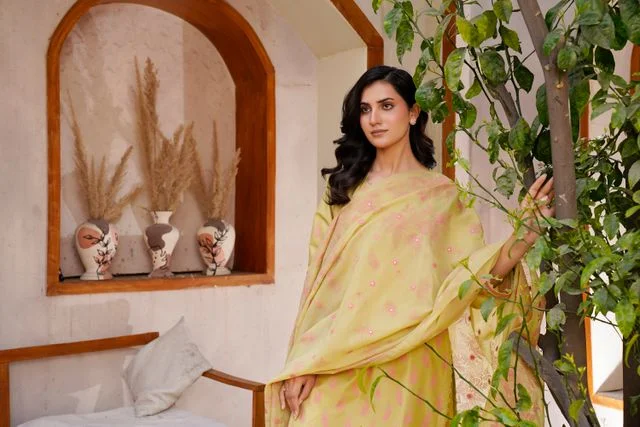
Your dupatta collection is beautiful. But somewhere between putting it on and leaving the house, the doubt creeps in: Does this look like too much?
You’re not alone. This is the #1 reason women avoid wearing dupattas, even though they own them. The fear isn’t about the dupatta itself—it’s about the balance. Add a statement dupatta to an embroidered outfit, throw on gold jewelry, and suddenly you feel like you’re headed to a wedding, not brunch.
Here’s the truth: The dupatta isn’t the problem. The combination is. And if you understand the one rule that governs all successful dupatta styling, you’ll never feel overdone again.
Quick Answer: The Balance Formula
Heavy outfit + Simple dupatta drape + Minimal jewelry = Effortlessly elegant.
Light outfit + Statement dupatta + One bold accessory = Intentionally styled.
Reverse either side of the equation, and you tip into overdone territory.
That’s it. Master this balancing act, and every dupatta in your closet becomes wearable.
The Main Rule: Balance, Not Addition
Here’s what most women get wrong about dupatta styling: They treat it as an addition to their outfit.
They think: “I have an embroidered kurta. I’ll add a statement dupatta. And statement jewelry. And a dupatta pin. And a belt.”
Each piece is beautiful individually. Together? Overwhelming.
The right approach is different: The dupatta is a choice, not an addition.
When you wear a dupatta, something else gets simplified. When you choose a statement dupatta, your jewelry gets minimal. When your outfit is heavily embellished, your dupatta drape becomes understated. When your kurta is plain, the dupatta becomes the hero.
This is the Balance Formula, and it’s the single principle that separates “overdone” from “effortlessly elegant.”
Think of your outfit as a visual equation. Every element has visual weight:
- Heavily embroidered kurta = high visual weight
- Statement dupatta (bold color, intricate embroidery) = high visual weight
- Gold jewelry = medium visual weight
- Simple, understated drape = low visual weight
Your job is to ensure the total visual weight feels intentional, not chaotic.
Best Options by Occasion
1. Formal Evening Event (Weddings, Formal Dinners, Celebrations)
The Balance Strategy:
- Outfit base: Embroidered or detailed kurta (allow this to carry visual weight)
- Dupatta choice: Simple, contrasting fabric in complementary color (let it frame, not compete)
- Drape style: One-shoulder elegant drape or flowing back drape (structured, refined)
- Jewelry: ONE statement piece (earrings OR necklace, not both)
- Dupatta pin/belt: Simple, understated (function over fashion)
The Logic: When your kurta is the star, the dupatta’s job is to enhance, not compete. A simple, flowing drape in a contrasting tone (deep jewel tones work beautifully) creates elegance through restraint. The one-shoulder drape shows off your kurta’s embroidery while the dupatta frames your face and shoulders—maximum impact, minimum overdose.
Real-World Example: Emerald kurta with gold embroidery + deep navy silk dupatta draped elegantly over one shoulder + simple gold jhumkas + minimal bangle = formal, polished, NOT overdone.
Why This Works: The emerald is rich. The gold embroidery is ornate. The navy dupatta provides visual rest by being solid and contrasting. The single jewelry piece (earrings) prevents visual chaos. The result: You look intentional and elevated, not like you threw on everything.
Read Also: How to Look Polished, Feminine, and Put Together: A Complete Guide for South Asian Women
2. Semi-Formal Event (Office Gatherings, Family Dinners, Day Celebrations)
The Balance Strategy:
- Outfit base: Lightly embroidered or printed kurta (moderate visual weight)
- Dupatta choice: Printed or patterned in coordinating tones (adds interest without dominating)
- Drape style: Front-open drape or soft one-sided flow (modern, accessible)
- Jewelry: Small studs + delicate bracelet (understated, balanced)
- Dupatta pin: Optional—let it flow naturally for relaxed elegance
The Logic: This is the sweet spot where your outfit is already balanced. Your dupatta’s job is to complement without overwhelming. A printed dupatta that picks up one color from your kurta (or a tone-on-tone variation) feels cohesive. The front-open drape is modern and keeps your kurta’s details visible. Minimal jewelry ensures the focus stays on the outfit, not the accessories.
Real-World Example: Cream kurta with subtle red geometric print + cream dupatta with red border + small gold studs + delicate bracelet = polished, contemporary, perfectly balanced.
Why This Works: The cream kurta is calm. The red accent adds interest. The dupatta picks up the red, creating a visual thread without competing. The minimal jewelry prevents the overall look from feeling heavy. The result: Put-together, appropriate, intentional.
Read Also: How to Style a Plain Kurti Without Looking Boring: The Confidence Psychology Behind Simple Style
3. Casual Gathering (Lunch with Friends, Casual Family Event, Day Outing)
The Balance Strategy:
- Outfit base: Simple, unembellished print or solid (low visual weight)
- Dupatta choice: Bold color or light, flowy fabric in contrasting shade (becomes the statement piece)
- Drape style: Loose, flowing drape OR one-sided casual flow (modern, relaxed)
- Jewelry: None, or single delicate piece (let the dupatta be the star)
- Dupatta pin: Skip it—let it drape naturally for casual ease
The Logic: When your kurta is simple, the dupatta gets to shine. This is where you wear that bold fuchsia, rich plum, or light chiffon dupatta you love. Because your outfit is quiet, the dupatta becomes the hero. But here’s the key: No competing elements. Zero jewelry, or a single delicate pair of earrings. The dupatta is enough.
Real-World Example: White simple print kurta + bold fuchsia silk dupatta draped loosely and casually + no jewelry + simple sandals = fun, fresh, statement-making without being overdone.
Why This Works: The white kurta is a blank canvas. The fuchsia dupatta is bold but balanced by the calm base. The absence of jewelry means the dupatta gets all the visual attention. The loose, casual drape signals “I’m not trying too hard,” which prevents the bold color from feeling overdone. The result: Effortlessly stylish, age-appropriate, wearable.
4. Traditional/Religious Occasion (Prayer, Family Rituals, Religious Events)
The Balance Strategy:
- Outfit base: Traditional kurta in neutral or jewel tone (respectful, modest)
- Dupatta choice: Matching or complementary tone in modest fabric (silk, chiffon—soft, not stiff)
- Drape style: Over-the-head drape or shoulder drape (traditional, dignified)
- Jewelry: Religious or traditional pieces only (bangles, bindi—nothing trendy)
- Dupatta pin: Decorative but modest (respects tradition without adding unnecessary detail)
The Logic: Tradition and modesty guide this balance. The dupatta worn over the head or shoulders is a cultural choice, and the beauty comes from simplicity and respect. A dupatta in a shade that complements (not matches) your kurta creates harmony. The fabric choice matters—lightweight silk or chiffon drapes gracefully without feeling heavy or old-fashioned.
Real-World Example: Navy kurta + cream silk dupatta draped gently over head and shoulders + simple gold bangles + small bindi = dignified, respectful, gracefully balanced.
Why This Works: The navy is respectful and timeless. The cream dupatta creates contrast while remaining modest. The soft drape over the head honors tradition without looking dated. The bangles add cultural authenticity. The minimal makeup/jewelry shows respect for the occasion. The result: Culturally connected, elegantly balanced, never overdone.
Mistakes to Avoid
Mistake #1: Heavy Dupatta + Heavy Outfit + Heavy Jewelry
This is the #1 way to tip into “overdone.”
If your kurta is embroidered, your dupatta is embroidered, AND you’re wearing multiple pieces of jewelry, you’ve created visual chaos. Every element is screaming for attention, and the result is that nothing stands out—everything just feels like too much.
Avoid: Embroidered navy kurta + embroidered gold dupatta + gold jhumkas + gold necklace + multiple bangles + anklet
Do: Embroidered navy kurta + simple contrasting dupatta + single jewelry piece + one simple bangle
Mistake #2: Matching Your Dupatta Exactly to Your Kurta
While coordinating is smart, matching exactly removes all dimension and can look flat or, worse, accidentally formal.
A dupatta in the exact same color and fabric as your kurta reads like a “uniform” or “formal suit”—not stylish or modern. The contrast (even slight) creates visual interest.
Avoid: Emerald kurta + emerald dupatta (same shade, same embroidery pattern)
Do: Emerald kurta + emerald dupatta with white border, or emerald kurta + deep teal dupatta
Mistake #3: Wearing a Heavy Dupatta When Your Outfit Is Already Ornate
Some women think: “My embroidered kurta needs a statement dupatta to balance.” Wrong. It needs a simple dupatta to rest the eye.
A dupatta’s job in this case is to provide visual relief, not add more drama. When you layer ornate + ornate, you get overwhelm.
Avoid: Heavily embroidered anarkali + heavily embroidered silk dupatta
Do: Heavily embroidered anarkali + simple, solid-colored dupatta in a complementary shade
Mistake #4: Pinning Your Dupatta Too Tightly or Formally for Casual Moments
A formal, tightly-pinned dupatta drape signals “occasion.” If you’re just meeting friends for lunch, a loosely flowing dupatta reads effortlessly; a pinned, formal drape reads “trying too hard.”
Avoid: Casual kurta + tight, formal shoulder pin drape + minimal jewelry
Do: Casual kurta + loose, flowing drape + OR skip the drape altogether
Mistake #5: Adding Accessories to “Secure” Your Dupatta
A common mistake: Women add a dupatta pin, a belt, AND a brooch “to keep it in place.” This creates a visually heavy, over-accessorized look.
If your dupatta needs three things to stay put, it’s either the wrong length, the wrong fabric, or the wrong drape style for you. Fix the root cause, not the symptom.
Avoid: Statement dupatta + decorative pin + belt + brooch
Do: Right-length dupatta + simple pin + no belt (or use the pin OR the belt, not both)
Mistake #6: Ignoring Your Dupatta Fabric Weight
A heavyweight dupatta (raw silk, thick chiffon) can make an outfit feel heavy even if the kurta is light. A lightweight dupatta (crepe, fine chiffon) can look skimpy on a formal occasion.
Mismatch the fabric weight to the occasion, and the whole outfit feels wrong.
Avoid: Casual cotton kurta + heavyweight silk dupatta (feels overdressed)
Avoid: Formal embroidered anarkali + thin crepe dupatta (feels insubstantial)
Do: Match fabric weight to occasion and outfit weight
Mistake #7: Keeping Your Dupatta Visible When You Should Let It Breathe
Some women worry their dupatta will slip, so they constantly adjust it, keep it pinned tightly, or fuss with the drape. This creates a tense, overdone look.
A well-chosen dupatta in the right drape style for your body and activity should feel effortless, not fussy. If you’re constantly adjusting it, reconsider the drape or the fabric.
Avoid: Constantly adjusting, re-pinning, or fussing with your dupatta throughout the event
Do: Practice your drape beforehand so you feel confident and can forget about it.
Read Also: How to Style a Lawn Suit Casually: 7 Rules for Effortless Elegance
Examples: Three Complete Dupatta Outfits Analyzed
Example 1: The “Casual Lunch” Outfit
The Pieces:
- Simple white cotton kurta (unembellished print)
- Bold fuchsia silk dupatta
- White jeans (underneath the kurta)
- Simple white sneakers
- Nude undershirt
The Accessories:
- No jewelry (the dupatta is the statement)
- Simple watch
- Minimal makeup
Visual Weight Breakdown:
- Kurta: Low (simple print)
- Dupatta: High (bold color)
- Jewelry: Zero
- Overall: Balanced—the dupatta shines without competition
Why This Works: The white kurta is calm and grounding. The fuchsia dupatta is your statement piece. Because everything else is minimal (no jewelry, no accessories, simple bottoms), the dupatta gets all the visual real estate. The result feels fresh, intentional, and never overdone because there’s breathing room.
The Psychology: Women worry fuchsia is too bold. But it’s only “too much” if paired with other bold elements. Paired with calm? It’s exciting without being chaotic.
Example 2: The “Formal Event” Outfit
The Pieces:
- Emerald kurta with intricate gold embroidery on front, sleeves, and hem
- Deep navy silk dupatta with simple gold border (complements, doesn’t match)
- Emerald cigarette pants
- Gold embellished flats
- Emerald undershirt
The Accessories:
- Gold jhumkas (ONE statement piece)
- Simple gold bangles (2-3, not stacked heavily)
- Emerald dupatta pinned elegantly at one shoulder
Visual Weight Breakdown:
- Kurta: High (embroidered, ornate)
- Dupatta: Low-to-Medium (simple, contrasting)
- Jewelry: Medium (statement earrings, simple bangles)
- Overall: Balanced—each element has a role
Why This Works: The emerald + gold is already visually rich. The navy dupatta says, “I respect this outfit’s beauty; I won’t compete.” The single jewelry piece (earrings) allows your face and kurta to remain the focus. The overall look is formal, polished, and sophisticated without feeling overdone because the dupatta supports, doesn’t add.
The Psychology: The navy-emerald contrast creates visual interest while maintaining harmony. It’s unexpected (not matching) but cohesive (complementary tones). This signals confidence and style awareness.
Example 3: The “Semi-Formal Gathering” Outfit
The Pieces:
- Cream kurta with subtle red geometric embroidery
- Cream dupatta with red embroidered border (echoes the kurta’s accent color)
- Cream straight-leg pants
- Nude flats
- Cream undershirt
The Accessories:
- Small gold studs
- Delicate gold bracelet
- Dupatta pinned lightly at one shoulder (or draped loosely in front)
Visual Weight Breakdown:
- Kurta: Medium (subtle embroidery)
- Dupatta: Medium (printed, coordinating)
- Jewelry: Low (delicate, minimal)
- Overall: Perfectly balanced—nothing dominates
Why This Works: The cream base is calm. The red accent appears in both the kurta and the dupatta, creating a visual thread without feeling matchy. The delicate jewelry doesn’t compete. The result is polished, contemporary, and obviously intentional without trying too hard.
The Psychology: The red accent creates a color story. The dupatta picks it up, extending the narrative. This signals design awareness without overthinking. It’s balanced because every piece serves a purpose.
Checklist: Your Dupatta Styling Balance Verification
Before you leave the house, run through this checklist to ensure you’re balanced, not overdone:
- [ ] Outfit weight: Is my kurta simple, moderate, or heavily embellished?
- [ ] Dupatta weight: Does my dupatta complement this outfit’s weight (not exceed it)?
- [ ] Visual interest: Am I relying on my kurta OR my dupatta for visual interest (not both)?
- [ ] Color harmony: Does my dupatta contrast nicely with my kurta (not match exactly)?
- [ ] Drape intention: Is my drape formal (pinned, structured) or casual (loose, flowing)? Does it match the occasion?
- [ ] Jewelry count: Do I have ONE statement piece or none? (If two or more, remove one.)
- [ ] Fabric weight: Do my dupatta fabric and kurta fabric feel balanced in weight and drape?
- [ ] Accessory count: Am I using a pin AND a belt AND a brooch? (Choose ONE or NONE.)
- [ ] Overall vibe: Does this feel “intentionally elegant” or “trying too hard”?
- [ ] Comfort test: Do I feel confident in this outfit, or am I constantly adjusting the dupatta?
If you answered “too heavy,” “trying too hard,” or “constantly adjusting,” revisit the outfit.
Read Also: Everyday Outfit Ideas for South Asian Girls: Style Rules + Occasion Guides
FAQs: Common Dupatta Styling Questions
Q: What’s the difference between a dupatta that looks “elegant” vs. one that looks “overdone”?
A: Elegant dupattas feel intentional and balanced. Every element serves a purpose. You look like you made thoughtful choices.
Overdone dupattas feel chaotic and unplanned. Too many competing elements fight for attention. You look like you threw on everything.
Test: When someone compliments your outfit, do they mention the specific dupatta drape and color? (Elegant.) Or do they say, “That’s a lot going on”? (Overdone.)
Q: Can I wear a patterned dupatta with a patterned kurta?
A: Yes, but carefully. The key is ensuring the patterns are different scales and complementary colors.
Avoid: Busy floral kurta + busy floral dupatta (visual chaos)
Do: Floral kurta + geometric dupatta, OR floral kurta + solid dupatta with floral border
Mismatch the pattern types (floral + geometric, not floral + floral). This creates interest while maintaining harmony.
Q: How do I know if my dupatta is the right weight for the occasion?
A:
- Lightweight chiffon/crepe: Casual daytime, relaxed gatherings
- Medium silk/cotton blend: Semi-formal, office, family events
- Heavyweight raw silk/brocade: Formal events, weddings, celebrations
If you’re wearing a lightweight dupatta to a formal wedding, it feels insubstantial. If you’re wearing heavyweight brocade to brunch, it feels overdressed. Match the fabric weight to the occasion’s formality level.
Q: Should my dupatta match my kurta color?
A: Not exactly. A complementary or contrasting shade is far more interesting and modern than an exact match.
Exact match: Emerald kurta + emerald dupatta (feels formal, uniform, “older”)
Complementary contrast: Emerald kurta + deep plum dupatta (feels sophisticated, intentional, modern)
Tonal variation: Emerald kurta + teal dupatta (creates harmony through subtlety)
Contrast creates visual interest and signals style awareness.
Q: What’s the best drape style for someone who’s petite?
A: Avoid:
- Heavy, hanging drapes that overwhelm a smaller frame
- Overly full dupattas that add bulk
- Formal, pinned drapes that shorten your silhouette
Best for petite:
- One-shoulder drapes (elongate the frame)
- Lighter fabrics (chiffon, not heavy silk)
- Flowing, asymmetrical drapes
- Dupattas pinned at chest level (higher pin = longer silhouette)
Q: Can I wear a dupatta if I’m plus-size?
A: Absolutely. The dupatta can be incredibly flattering on all body types when styled right.
Best practices:
- Avoid overly tight, structured drapes that create bulk
- Choose flowing, asymmetrical drapes
- Use lighter fabrics (avoid heavy brocades that add visual weight)
- Pin at chest level for a longer silhouette
- Wear solid or tone-on-tone dupattas (busy patterns can add visual weight)
Q: How do I prevent my dupatta from slipping throughout the event?
A: This usually happens because:
- Wrong fabric: Too slippery (raw silk slips; crepe grips)
- Wrong pin: Too small or weak (use a sturdy brooch or large safety pin)
- Wrong drape: Not secured properly (practice beforehand)
Solutions:
- Practice your drape the day before so you know how it sits
- Use a heavier fabric like crepe or cotton dupatta
- Invest in a sturdy dupatta pin or brooch
- Safety pins hidden inside the folds help too
- Some women use fabric glue (non-permanent) on the pin to keep it secure
The goal: Your dupatta should feel effortless, not fussy. If you’re constantly adjusting it, try a different drape style.
Q: What if my dupatta doesn’t match my kurta at all?
A: This is actually elegant if done intentionally.
A contrasting dupatta (opposite end of the color wheel) signals style confidence. Just ensure:
- The colors complement each other (jewel tones with jewel tones; pastels with pastels)
- Your outfit’s overall visual weight stays balanced
- You’re not over-accessorizing to “tie it together”
Example: Emerald kurta + deep purple dupatta + minimal jewelry = intentionally styled, not accidental mismatch.
Q: Can men wear dupattas?
A: Yes. In contemporary South Asian fashion, some men wear dupattas as a styling choice. The same balance principles apply: Pair a statement dupatta with a simple kurta, or a simple dupatta with an ornate kurta. Avoid layering visual complexity.
Conclusion: The Balance Formula Is Your Secret Weapon
Your dupatta fear isn’t about the dupatta itself. It’s about balance.
Once you understand that your outfit is a visual equation—and that every element has visual weight—you’ll never feel overdone again. You’ll know exactly when to simplify, when to let your dupatta shine, and when to hold back.
The most elegant women aren’t the ones wearing the most jewelry, the most embroidery, or the most expensive dupatta. They’re the ones who understand restraint. They choose deliberately. They balance boldly. And they trust that less is more.
Your next event? Choose your outfit. Identify its visual weight. Then apply the Balance Formula:
- If your kurta is heavy, simplify your dupatta.
- If your dupatta is bold, calm everything else.
- If both are ornate, remove the jewelry.
That’s it. Trust the formula, and you’ll walk in feeling confident, elegant, and never overdone.
Your dupatta collection is beautiful. Now you know how to wear it.
References & Further Reading
- Outfit Trends – “17 Types of Dupattas and Tips How to Wear Dupattas” (Types and draping foundational knowledge)
- Studio by TCS – “How to Wear Dupatta: Easy Draping Styles for Every Occasion” (Modern vs. traditional balance)
- House of Chikankari – “10 Stylish Dupatta Styling Tips for an Elegant Look” (Real-world draping examples)
- HatKay – “How to Wear a Dupatta with Salwar Kameez: Styling Tips and Ideas” (Occasion-based matching)
- Rashika Mittal – “7 Ways to Drape a Dupatta: Styling Guide for Indian Ethnic Wear” (Draping psychology and regional variations)
Ready to take your style further? Read our companion guide on: What to Wear to a Desi Dinner Party — Complete Guide by Occasion (2026)
For comprehensive styling tips, see our South Asian Styling & Wardrobe Guide