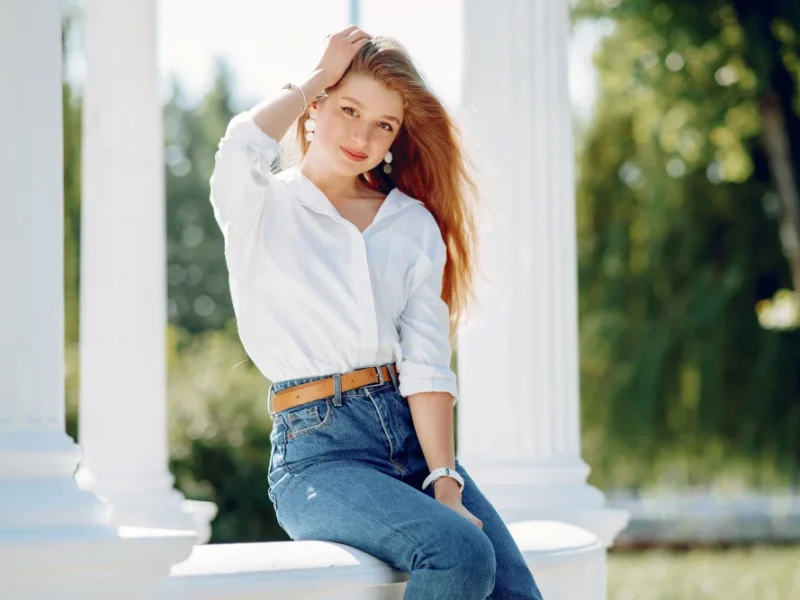

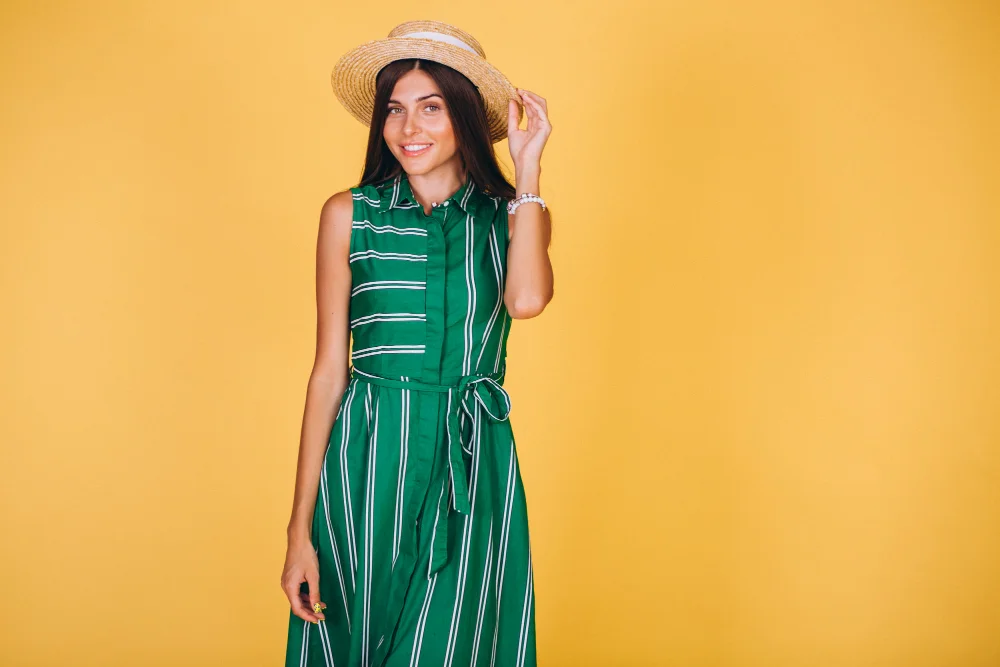
You walk into a meeting, a coffee shop, or a grocery store, and there’s that woman—the one who makes it look effortless. Her hair isn’t perfect. Her outfit isn’t designer. But something about her says: I have it together.
What’s her secret?
It’s not a $5,000 wardrobe or a team of stylists. It’s not even genetic. According to a 2012 study from Northwestern University, wearing certain clothes has a tangible effect on the wearer’s psychology and performance—a concept known as “enclothed cognition,” which shows how fashion influences our mental state and confidence. But here’s the truth that most style guides miss: looking put together isn’t about what you wear. It’s about how you wear it—and the simple systems that make getting ready inevitable.
This guide breaks down exactly how women master this skill. Not with hours at the mirror. Not with closets full of pieces. Just eight repeatable habits that take under 10 minutes every single morning.
Quick Answer
Looking put together every day comes down to eight core habits:
- Master fit above all else
- Build a style uniform
- Choose a neutral base color palette
- Use accessories intentionally
- Establish a simple grooming routine
- Invest in quality undergarments
- Plan outfits the night before
- Keep shoes and bags consistently polished
Done right, these habits eliminate decision fatigue, reduce morning stress, and make you look intentional without trying. Personal style builds assurance by helping women create a self-image aligned with their personality—well-chosen outfits boost self-acceptance, while ill-fitting choices create discomfort. When your clothing works for you instead of against you, confidence follows automatically.
The Main Rule: Fit Is Everything
If you remember one thing from this article, remember this: fit is non-negotiable.
Fit is the single biggest factor in looking put together. Clothes that bunch at the shoulders, gap at the waist, or drag on the floor signal carelessness regardless of brand or cost. A $30 blazer that fits perfectly looks more expensive and polished than a $300 one that doesn’t.
Here’s why: fit signals intention. It says you took two seconds to check yourself in the mirror. It says the piece matters enough to wear properly. Studies in psychology suggest that clothing has a big impact on our emotions, self-perception, and confidence—when you wear pieces that fit well, your body moves with ease, and your brain reads that ease as competence.
Before buying anything, ask:
- Does it sit smoothly at my shoulders?
- Does the waistline define (not squeeze) my natural waist?
- Does the length work for my frame without bunching, gapping, or dragging?
- Can I raise my arms comfortably?
- Does it feel like it was made for my body, not against it?
If the answer is “sort of” or “after tailoring,” keep looking. The piece isn’t right. Because when fit is right, no tailoring is needed.
Habit 1: Build a Style Uniform
A style uniform isn’t boring. It’s freedom.
One of the easiest ways to look put together every day is to have some go-to outfits that always look good. Your style uniform for the office might be straight-leg jeans, a blazer, and a T-shirt, or a neutral-colored dress with statement earrings and heels. Your casual-day uniform might be tailored joggers, a tucked-in sweater, and white sneakers.
The point: when you have 2–3 reliable formulas, you never start from zero. You’re not asking “what should I wear?” You’re asking “which version of my uniform today?” That shift cuts your morning decision-making from 15 minutes to 2.
Your uniform should:
- Use pieces that flatter your body shape and movement style
- Work for your actual life (office, home, errands—or a mix)
- Feel like you, not a costume
- Mix and match easily with your existing accessories
Habit 2: Create a Capsule Wardrobe (Neutral Base)
A capsule wardrobe doesn’t mean beige everything. It means choosing 3–5 neutral base colors and building outfits around them.
A capsule wardrobe of timeless pieces, flattering colors, and clothes that complement your body shape is the secret to creating polished, everyday outfits. The best capsule bases are:
- Black or dark charcoal (authority, versatility, dressy-down potential)
- White or cream (freshness, simplicity, lightness)
- Navy or slate blue (professional, calming, universally flattering)
- Camel, tan, or warm brown (warmth, timelessness, depth)
- Your accent color (one color that makes you feel alive—this is where personality enters)
Every piece in your regular rotation should pair with at least two others. If a top doesn’t work with three bottoms, it doesn’t pull its weight.
Habit 3: Master the Power of Accessories
This is where looking “just okay” becomes looking “wow.”
Accessories create visual interest by adding shine and sparkle that keep the eye moving around your outfit and make a look pop. You don’t need a ton of pieces—choose ones that work with your lifestyle, like a beautiful bracelet layered with a watch, an everyday necklace or statement necklace, and some beautiful shoes.
The secret: finish every outfit. That doesn’t mean jewelry overload. It means intentionality. A simple white tee becomes polished when paired with a gold watch, delicate earrings, and clean white sneakers. The pieces don’t shout. They whisper, “I thought about this.”
Your everyday accessory set should include:
- Jewelry: 1–2 everyday pieces (a simple bracelet or watch) + 1 statement piece (delicate necklace, bold earrings, or rings)
- Scarves or wraps: A neutral scarf adds instant polish and works for three seasons
- Bags: One everyday bag (leather, simple, works with every outfit) + one second bag for different occasions
- Shoes: Clean white or neutral sneakers + one leather shoe that feels effortless (loafers, ballet flats, or mules)
Read Also: How to Dress Feminine as a South Asian Woman: The Modern Modest Style Guide
Habit 4: Invest in the Right Undergarments
You can’t look put together on top if the foundation isn’t right.
A friend of mine gave me a bra intervention. We went to Victoria’s Secret and I bought a bra with some structure (aka an underwire) and light padding. Padding helps make proportions more balanced. If you’re larger busted, an underwire is essential for separating and lifting. You want some lift to reveal your waistline and create a proportional look.
Your undergarments should:
- Fit your body exactly (not squeezing, not loose)
- Provide lift and support (this changes everything about how your tops drape)
- Be the right color (nude under white, black under dark colors)
- Stay in place (straps shouldn’t slip; the band shouldn’t ride up)
Bad undergarments show through in subtle ways that read as “unpolished.” Good ones are invisible—but their effect is visible everywhere.
Habit 5: Establish a 5-Minute Grooming Routine
Hair and skin are the frame around everything else. They matter.
This doesn’t mean blowouts and full makeup every day. A well-groomed appearance in these areas is crucial for looking put together. Hair should be clean, styled, and well-maintained—whether down, in a sleek ponytail, a neat bun, or a classic braid, ensure it looks intentional. Regular trims are essential to avoid split ends, which can instantly make hair look unkempt.
Your daily routine should take 5 minutes and include:
- Hair: Brushed, tied back, or styled intentionally (not “I just woke up”)
- Face: Washed, moisturized, and if you wear it, foundation or tinted moisturizer + concealer in one spot + blush + mascara
- Brows: Brushed or shaped (this makes a shocking difference)
- Nails: Clean and trimmed (chipped polish reads as neglect more than any other detail)
- Lips: Tinted balm or a light lip color (not required, but finishes the look)
The key: use the same products every single day. Consistency is faster than perfection.
Habit 6: Plan Outfits the Night Before
This single habit saves 10 minutes every morning.
Lay out tomorrow’s outfit before bed. That means:
- Top, bottom, underwear, socks, shoes all visible
- Accessories already chosen
- Check the weather and adjust if needed
- Steam or de-wrinkle if necessary
Why? Because you’re not deciding what to wear when you’re tired, rushing, or your brain is elsewhere. You’re deciding when you’re rested and can think clearly. And the next morning, you just get dressed.
Habit 7: Keep Shoes and Bags Clean
Details reveal character.
Scuffed shoes, a worn-out handbag, and thread stains say “I’m not paying attention.” Clean shoes, a well-maintained bag, and lint-free clothes say “I care.”
Weekly maintenance takes 10 minutes:
- Wipe down shoes with a soft cloth
- Spot-clean your everyday bag
- Lint-roll any piece you’ll wear that week
- Check hems for loose threads
Habit 8: Choose Colors That Work for You
Color is psychology. Warm tones like red and yellow are linked to energy and optimism, while cool shades like blue and green can evoke feelings of calmness and relaxation. A 2014 study published in Color Research & Application found that participants wearing red felt more confident and attractive.
You don’t need to know your “season.” You just need to notice: what colors make you feel alive and confident? What colors make you look tired?
For most people, wearing colors that complement their natural coloring (skin tone, hair, eye color) makes them look healthier, more awake, and more intentional. Wearing colors that fight their natural tone does the opposite.
Experiment. Wear your potential neutral colors and see which you reach for repeatedly. That’s your color.
Best Options by Occasion
For the Office
The Uniform: Dark jeans or tailored pants + blazer + simple top + neutral shoes + minimal jewelry
Why it works: A blazer instantly signals authority and polish. A tailored blazer for women is more than just professional attire; it represents authority and competence. Pair it with your neutral base, and you’re done.
Time: 5 minutes after choosing the night before.
For Casual Days / Running Errands
The Uniform: Fitted sweater or tucked-in tee + tailored joggers or straight-leg jeans + white sneakers + one accessory
Why it works: This looks intentional without trying. The key is fit—if your joggers are oversized or your sweater is shapeless, you look sloppy. If they’re tailored, you look intentional.
Time: 3 minutes.
Read Also: Everyday Outfit Ideas for South Asian Girls: Style Rules + Occasion Guides
For Dates / Evening Plans
The Uniform: One elevated piece (a silk top, a structured dress, or tailored pants) + neutral base + statement accessory + shoes with a bit of presence
Why it works: One elevated piece is enough. You don’t need a full “outfit.” A simple white button-up becomes date-ready when paired with tailored trousers, gold jewelry, and leather shoes.
Time: 7 minutes.
Read Also: What to Wear to a Desi Dinner Party — Complete Guide by Occasion (2026)
For Weekends / Relaxed Time
The Uniform: Elevated basics (quality tee or simple sweater) + comfortable bottoms that fit well + clean sneakers + one accessory
Why it works: The key is elevated basics—pieces that are simple but well-made, well-fitted, and a step above standard casualwear.
Time: 3 minutes.
Mistakes to Avoid
Mistake #1: Chasing Trends
Trends are expensive and temporary. A timeless white button-up works forever. A “it” trend from 2023 looks dated by 2025.
Build your wardrobe around pieces that will work for the next 5 years, not the next 5 months.
Mistake #2: Ignoring Your Body’s Actual Shape
Fit isn’t one-size-fits-all. A style that flatters your friend might not flatter you. Clothes that complement your body shape is the secret to creating polished, everyday outfits.
Know your shape. Know what makes you feel confident. Wear that.
Mistake #3: Overcomplicating Accessories
More jewelry isn’t more polished. Intentional jewelry is polished. One statement earring and a simple watch beats five different pieces.
Choose quality over quantity. Wear what you love.
Mistake #4: Skipping Hair and Nails
You can wear the perfect outfit and still look unfinished if your hair is messy or your nails are chipped. These details matter more than most people realize.
A 30-second brush, a neat bun, or a visit to a salon for a quick trim pays back immediately in polish.
Mistake #5: Waiting Until You’re “Perfect” to Look Put Together
Perfection is the enemy of done. You’ll never be perfect. But you can be intentional. And intentionality is what reads as “put together.”
Read Also: Pakistani Wardrobe Essentials for Women: Build Your Perfect Closet
Real-Life Examples
Example 1: The Morning Routine That Doesn’t Fail
Maria, a marketing manager, wakes up 10 minutes before she needs to leave. Here’s her routine:
- Night before: She lays out her uniform—black jeans, a white button-up (tailored), a blazer, and white sneakers. One gold bracelet and small earrings already picked.
- Morning: 2 minutes face (wash, moisturizer, tinted concealer, mascara). 3 minutes hair (brush, quick style). 5 minutes getting dressed (already laid out). She’s out the door looking effortless.
Time investment: 10 minutes. Outcome: Confident, polished, intentional.
Example 2: The “I Don’t Have Time” Solution
Jessica has young kids and works from home. She doesn’t have time for complexity. Her solution:
- Capsule: Camel, white, navy, black. Three pairs of pants, four tops, one blazer.
- Uniform: Tailored joggers (yes, really—they exist) + fitted sweater + white sneakers.
- Accessories: Gold watch, one pair of simple earrings, one necklace.
- Grooming: Dry shampoo when she skips washing. Lipstick when she needs a boost (takes 10 seconds).
Time investment: 2 minutes to get dressed. Outcome: Casual but intentional. She looks like she has her life together, even on days when she doesn’t.
Example 3: The Slow Morning Solution
Priya is not a morning person. She needs a system that works even when she’s groggy.
- Night-before prep: This is non-negotiable. Outfit laid out, shoes ready, bag packed.
- Morning routine: Wake up. Drink water. Bathroom routine (wash face, brush teeth, deodorant). Get dressed. Go.
- Confidence booster: One piece she loves. A red lipstick, a leather jacket, a pair of heels. One thing that makes her feel intentional.
Time investment: 7 minutes. Outcome: Functional, intentional, and she doesn’t think about her clothes again that day.
Your Put-Together Checklist
Use this daily:
The Night Before:
- [ ] Lay out top, bottom, socks, shoes, underwear, and accessories
- [ ] Check the weather and adjust outfit if needed
- [ ] Check that nothing needs steaming or spot-cleaning
- [ ] Make sure shoes are clean and scuff-free
The Morning:
- [ ] Face wash and light moisturizer (1 minute)
- [ ] Optional makeup: tinted moisturizer, concealer, blush, mascara (2 minutes)
- [ ] Hair brushed or styled intentionally (2 minutes)
- [ ] Get dressed in laid-out outfit (2 minutes)
- [ ] Put on accessories (1 minute)
- [ ] Quick mirror check (30 seconds)
Total time: 8–10 minutes.
Weekly Maintenance:
- [ ] Lint-roll anything that gets worn
- [ ] Check for loose threads or stains
- [ ] Wipe down shoes
- [ ] Check undergarments for wear
- [ ] Plan your week’s outfits if you want extra confidence
Read Also: How to Style a Lawn Suit Casually: 7 Rules for Effortless Elegance
FAQs
Q: What if I don’t like jewelry? A: Skip it. Jewelry isn’t required to look put together. A well-fitted outfit with clean shoes and groomed hair is enough. Don’t force it.
Q: How do I know my body shape? A: Take a photo standing straight in a fitted top and bottoms. Notice where your widest points are (shoulders, waist, hips), your proportions, and what makes you feel confident. That’s your shape. Buy pieces that honor those proportions.
Q: Can I look put together without makeup? A: Absolutely. Clean skin, groomed brows, and tinted lip balm are enough. Or nothing at all. Makeup isn’t the variable that determines polish—fit, grooming, and intentionality are.
Q: What if I can’t afford new clothes? A: Start with fit. Take your existing clothes to a tailor and have them adjusted. A $20 pair of thrifted jeans that fit perfectly beats $200 jeans that don’t. Then add one piece at a time as your budget allows, prioritizing fit.
Q: What about fashion trends? A: Ignore them. If a trend feels authentic to you, great—add it to your base. If it feels like a costume, skip it. Timeless pieces will always look more put together than trend pieces.
Q: How often do I need to wash my hair? A: Whatever keeps it clean and intentional-looking. That might be every day, every three days, or once a week. Use dry shampoo between washes. The point is: your hair should look styled, not neglected.
Q: What if I’m on a budget? A: Focus on fit and grooming. A $30 top that fits perfectly and a $20 pair of shoes that are clean will look more put together than expensive pieces that don’t fit. Quality fabrics matter less than quality fit.
Conclusion
Looking put together every day isn’t a luxury. It’s a habit—a system that becomes so automatic, you stop thinking about it.
The women who always look polished aren’t spending three hours getting ready. They’re not buying expensive clothes. They’ve just decided that fit matters, that consistency matters, and that ten minutes of intention beats ninety minutes of stress.
By refining your morning routine, paying attention to the small stuff, and building a wardrobe with timeless pieces that match your vibe, you’ll create a scene of polished everyday outfits that feel authentic and effortlessly you.
Start with one habit. Master fit. Build a uniform. Then add the others as they fit into your life. In two weeks, you’ll notice you think about your clothes less. In a month, you’ll notice people treat you differently. In three months, it’s automatic.
You don’t need to be perfect. You just need to be intentional. And that’s something every woman can do.
References
- Adam, H., & Galinsky, A. D. (2012). “Enclothed cognition.” Journal of Experimental Social Psychology, 48(4), 918-925.
- Reader’s Digest Australia. (2021). “15 style secrets of women who always look put together.”
- The Everygirl. (2025). “How to Look Effortlessly Put Together Without Even Trying.”
- LOOQS. (2026). “How to Look Put Together Every Day (Without Effort).”
- Your Everyday Style. (2025). “How to Look Put Together.”
- Be So You. (2023). “10 Super Simple Ways to Look More Put Together Everyday.”
- Fashion Goggled. (2026). “The Art of Effortless Elegance: How to Look Put Together Every Single Day.”
- PowerSutra. (2024). “Fashion Psychology: How Style Transforms Women’s Confidence.”
- Soroka, I. (2023). “Colours in clothes and psychological functioning: The impact on emotions and self-esteem.” Sapienza: International Journal of Interdisciplinary Studies, 5(4), e24071.
- June Adaptive. (2025). “The Psychology of Fashion: How Clothing Affects Mood and Confidence.”
- Kleine Pstein Parker. (n.d.). “The Psychology of Dressing: How Your Wardrobe Influences Confidence.”
Ready to take your style further? Read our companion guide on: How to Style a Dupatta Without Looking Overdone: The Balance Formula
For comprehensive styling tips, see our South Asian Styling & Wardrobe Guide