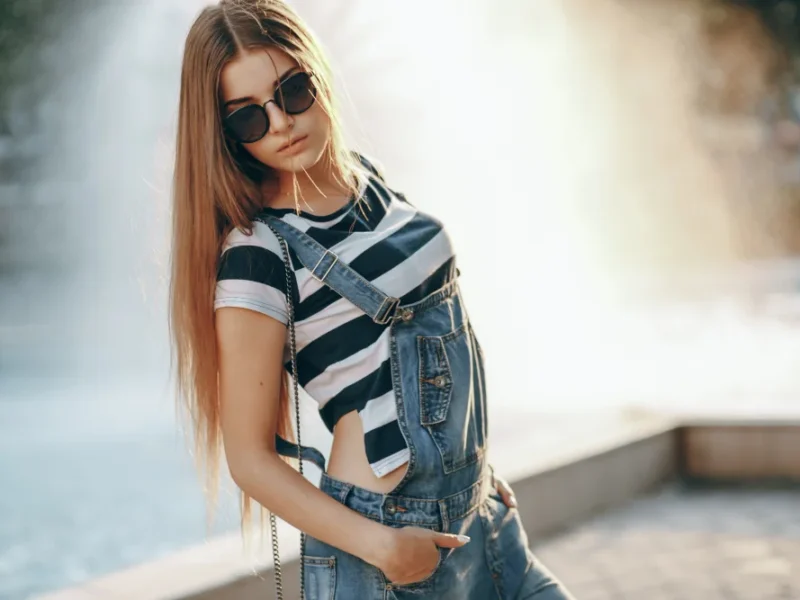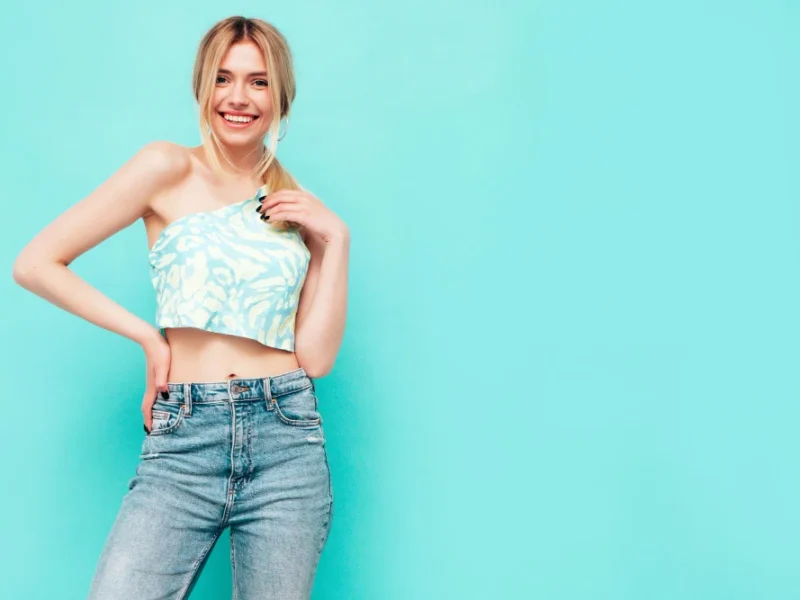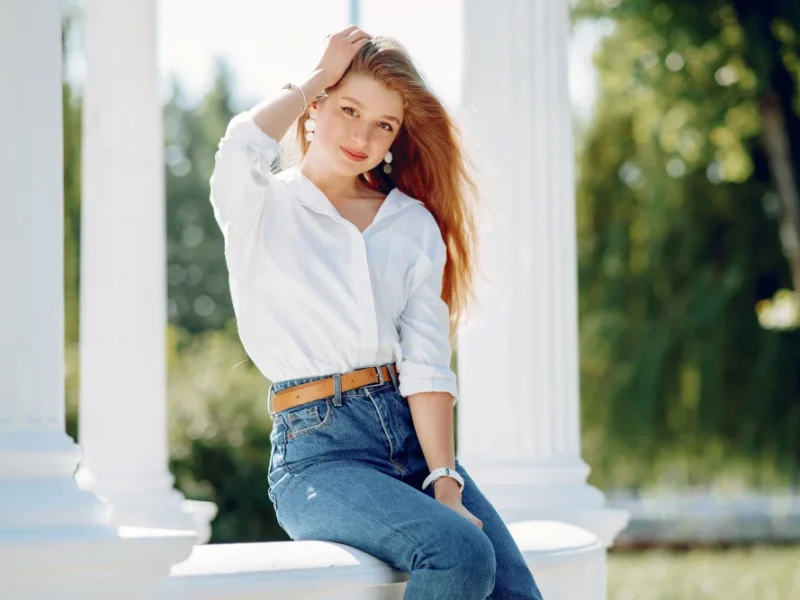

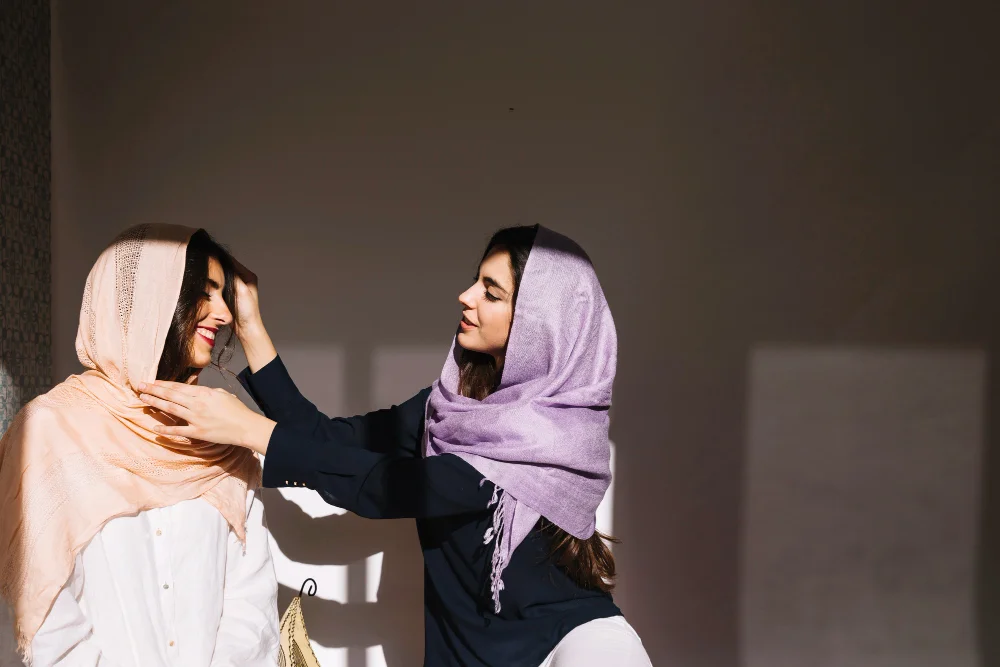
When the crescent moon is sighted and Eid morning arrives, getting dressed becomes part of the celebration itself.
For many women, this is a moment that feels both joyful and overwhelming. You want to honor the occasion, respect the significance of the day, and feel beautiful—but you don’t want to feel like you’re wearing a costume. You don’t want to stress over intricate embroidery or spend two hours styling an elaborate look. You just want to feel like you, dressed up, celebrating.
This is where “simple” becomes powerful.
According to recent fashion research, wearing cultural or traditional garments that align with your heritage carries emotional resonance, connecting wearers to family, pride, and cultural identity. These clothes are often worn during festivals or ceremonies, enhancing positive emotions and social unity. When the outfit reflects your personal style and honors tradition, something shifts: you feel more authentic, more confident, more yourself.
But here’s the truth most Eid style guides miss: simple doesn’t mean boring. Simple means intentional. It means choosing soft pastels over heavy embellishment. Comfortable fabrics over restrictive tailoring. Clean silhouettes over overcomplicated designs. And the paradox? That simplicity—that restraint—actually looks more elegant, more modern, and more sophisticated than trying to do everything at once.
This guide shows you exactly how to do it across six different outfit frameworks, each adaptable to your body, your budget, and your personal style.
Quick Answer
Simple Eid outfits are built on these principles:
- Choose soft, neutral, or pastel colors (ivory, soft pink, lavender, mint green, peach)
- Prioritize comfort-first fabrics (cotton, silk, crepe, georgette—breathable, not heavy)
- Keep embroidery minimal (subtle prints, self-design, light embroidery, or none at all)
- Embrace clean silhouettes (A-line, straight-cut, flowing—no overcomplicated cuts)
- Layer with intention (dupatta, light jacket, or wrap for modesty and elegance)
- Finish with quality basics (simple jewelry, comfortable footwear, minimal accessories)
Done right, these choices take you from “trying too hard” to “effortlessly elegant” in seconds. And because simple outfits are versatile, one piece can work across multiple Eid days—prayers, daytime gatherings, and evening events—without adjustment.
The Main Rule: Simplicity Is Sophistication
In fashion, there’s a secret principle that separates elegant from overdone: constraint.
The most sophisticated outfits often feature the fewest elements. A crisp white kurta. A soft dupatta. Gold earrings. Done. The eye rests. The outfit reads as intentional, not frantic.
This principle applies perfectly to Eid dressing. Many women believe that to honor the occasion, they need heavy embroidery, intricate beadwork, and multiple layers. But consider the opposite: Eid is about joy and gratitude, not complexity. A simple outfit worn with presence and care conveys more respect than an elaborate one worn under stress.
Fashion designers confirm this shift. Modern Eid fashion in 2026 is dominated by soft colors and modern cuts. Pastel shades like lavender, mint green, and peach are very popular this year. Organza fabrics add a luxurious feel to Eid outfits, and simple, plain and comfortable styles that still look expensive are the new standard. As one fashion designer notes: “Now, people don’t like to wear clothes that are too heavy or ‘glamorous.’ That era is over. Now, clothing with a simple style is an option. Even so, they still look elegant and exclusive.”
Here’s why: a simple outfit focuses attention on you—your face, your grace, your presence—rather than on the clothes themselves. And that’s the real point of dressing beautifully.
What Makes an Outfit “Simple” in the Eid Context?
Simple doesn’t mean plain or boring. It means:
Color: Soft and intentional. Pastels (lavender, mint, peach), neutrals (ivory, soft gray), or jewel tones (emerald, sapphire) worn in solid or minimal print.
Fabric: Breathable and comfortable. Cotton, silk, crepe, georgette, and organza. Avoid heavily weighted fabrics or stiff embellishments that require constant adjustment.
Embroidery/Details: Minimal or none. Self-design (pattern woven into the fabric), light hand-embroidery, subtle prints, or solid color. The focus is on the piece itself, not decoration.
Silhouette: Clean and flattering. A-line (forgiving, elegant), straight-cut (sharp, modern), flowing (graceful, comfortable). Avoid complicated cuts, excessive gathering, or design gimmicks.
Layers: Intentional and functional. A dupatta for modesty and grace. An optional light jacket or wrap for elegance or warmth. Never more than necessary.
Accessories: Simple and quality. One statement piece (earrings, bracelet, or necklace)—not multiple. Quality over quantity.
6 Simple Eid Outfit Ideas
Outfit 1: The Classic Kurta + Straight-Cut Trousers
What it is: A knee-length or midi-length kurta in a soft pastel, paired with tailored straight-cut trousers and a minimal dupatta.
Why it works: This is versatile, respectful, and effortlessly elegant. A printed or embroidered short kurta worn with well-tailored straight-cut trousers is the outfit for the woman who wants to look sharp without spending the day adjusting heavy fabrics.
For different body types:
- Petite: Choose A-line kurtas with shorter hemlines; straight trousers elongate
- Curvy: Straight-cut or slightly flared kurtas with structured waistlines
- Tall: Midi-length kurtas with longer trousers maintain proportion
Styling notes: Add block heels and statement earrings. You have an Eid look that travels comfortably from morning prayers to afternoon gatherings.
Occasion: Prayers, daytime gatherings, informal family events.
Estimated cost: $40–$80 (depending on fabric quality)
Outfit 2: The Shalwar Kameez (Contemporary Cut)
What it is: A simple shalwar kameez in pastel or neutral tones, with minimal embroidery and contemporary tailoring (not balloon-style; more streamlined).
Why it works: Shalwar kameez is often my preferred choice for Eid. It’s what many women wore most often on Eid day growing up. Today, a lot of the options feature subtle colours and minimalist embroidery, in place of heavier embroidery with gems and beadwork, making them easy to style up or down.
Color options: Soft pink, lavender, mint green, peach, cream, or soft gray. Or one jewel tone (emerald, sapphire).
Embroidery: Simple—subtle prints, light hand-embroidery at borders, or solid.
Styling: Add a delicate dupatta, simple gold or silver jewelry, and comfortable juttis or flat sandals.
Occasion: Prayers, daytime gatherings, family dinners, casual Eid events.
Estimated cost: $35–$70
Read Also: How to Style a Lawn Suit Casually: 7 Rules for Effortless Elegance
Outfit 3: The A-Line Dress + Jacket
What it is: A simple A-line maxi dress (long, flowing, comfortable) in a soft color, layered with a lightweight structured jacket or shrug.
Why it works: Modern Eid style increasingly blends contemporary silhouettes with traditional modesty. A maxi dress is floaty, comfortable, and you can dress it up or down. The jacket adds polish and structure without bulk.
Fabric combinations:
- Linen dress + linen jacket = breathable, effortless
- Cotton dress + silk jacket = comfort + elegance
- Crepe dress + organza shawl = sophisticated, light
Color palette: Ivory dress + sage green jacket. Or soft pink dress + white jacket.
Styling: Simple jewelry, comfortable flats, and a minimal clutch. The layering does the visual work.
Occasion: Daytime gatherings, family events, photo opportunities.
Estimated cost: $50–$90
Outfit 4: The Sharara (Simplified Version)
What it is: A simplified sharara—a kurta top paired with wide-legged flared pants and a light dupatta. Modern versions minimize embroidery and focus on silhouette.
Why it works: Shararas have evolved beautifully. Traditional shararas are heavy and ornate. Modern shararas keep the elegant silhouette but simplify the details: pastel colors, minimal embroidery, breathable fabrics.
Design elements:
- Kurta: Simple, knee-length or slightly longer
- Sharara pants: Wide flare, flowing, comfortable
- Dupatta: Matching or contrasting, light fabric
Styling: Flat juttis, minimal jewelry, and a small clutch. The pants do all the visual work.
Occasion: Daytime gatherings, evening Eid events (if paired with jewelry and heels).
Estimated cost: $50–$100
Outfit 5: The Saree (Modern Drape)
What it is: A simple silk or cotton saree in a solid color or minimal print, draped in a contemporary style (not heavily pleated; clean and flowing).
Why it works: A saree is one of the most sophisticated and classy options for Eid festivities. A soft silk saree that blends minimalism with elegance works for virtually every age and body type.
Fabric: Pure silk, cotton silk blend, or lightweight crepe.
Color: Ivory, soft blush, lavender, or a deep jewel tone.
Drape: Modern drape (loose pleats or no pleats) rather than traditional heavy pleating.
Styling: Simple blouse underneath, minimal jewelry (one pair of earrings or a delicate necklace), and comfortable flats or heels depending on the event.
Occasion: Formal Eid events, family dinners, evening celebrations.
Estimated cost: $40–$100
Read Also: How to Style a Dupatta Without Looking Overdone: The Balance Formula
Outfit 6: The Kaftan (Easy Elegance)
What it is: A simple kaftan or loose-fitting dress in a soft color, with minimal embellishments and flowing fabric.
Why it works: Kaftans are stylish and extremely comfortable. They offer modesty, ease of movement, and elegant simplicity. Modern kaftans feature contemporary cuts and beautiful draping without weight.
Design: Straight-cut, flowing, with optional light embroidery at neckline or sleeves.
Fabric: Linen, cotton, crepe, or chiffon.
Color: Any soft tone or jewel shade.
Styling: A simple belt to define the waist, minimal jewelry, and comfortable footwear.
Occasion: Daytime gatherings, informal Eid events, family get-togethers.
Estimated cost: $30–$70
Best Options by Occasion
For Eid Prayers (Early Morning)
What matters: Modesty, respect, comfort, and readiness.
Best choice: The Kurta + Straight-Cut Trousers or the Shalwar Kameez.
Why: These are traditional, modest, and easy to move in for prayer. Soft pastels show joy; minimal jewelry honors the spiritual significance.
Styling: No jewelry except a simple ring or bracelet. Hair neatly styled or covered if preferred. Comfortable flat shoes or barefoot if needed.
Time: 5 minutes to get dressed; you’re ready.
For Daytime Gatherings (Family, Friends)
What matters: Comfort, appropriateness for active socializing, versatility.
Best choice: The Shalwar Kameez (Contemporary Cut), the A-Line Dress + Jacket, or the Kaftan.
Why: These are comfortable for long gatherings, eating, and moving around. Soft colors feel festive without being over-the-top. You can sit, stand, eat, and hug without adjusting constantly.
Styling: Simple jewelry, comfortable flat sandals or juttis. A light dupatta or wrap if you prefer.
Tip: Choose breathable fabric if your gathering involves outdoor time or large crowds.
Read Also: How to Look Put Together Every Day — 8 Science-Backed Style Habits for Busy Women
For Evening Events (Formal Dinners, Parties)
What matters: Elegance, polish, presence.
Best choice: The Sharara (Simplified), the Saree (Modern Drape), or the A-Line Dress + Jacket.
Why: These silhouettes photograph well, feel special, and work for more formal settings. Softer colors still honor the occasion; paired with heels and jewelry, they feel elevated.
Styling: Statement earrings, a simple necklace or bracelet, and heels (block heels, embellished flats, or classic stilettos depending on your comfort).
Tip: Add a light shawl or wrap for elegance and modesty.
Mistakes to Avoid
Mistake #1: Confusing “Simple” with “Cheap-Looking”
Simple doesn’t mean low-quality. A plain kurta in premium silk will always look more elegant than an over-embroidered piece in synthetic fabric. Invest in fabric quality, not embellishment quantity.
Mistake #2: Choosing Colors That Don’t Flatter Your Skin Tone
Soft pastels work for many, but not all skin tones. If pastels wash you out, go with jewel tones (emerald, sapphire, burgundy) or warm neutrals (camel, terracotta, warm gray). Test the color against your skin before buying.
Mistake #3: Ignoring Fit
Simple outfits expose fit issues. An ill-fitting “simple” kurta looks worse than a well-fitted ornate one. Before buying, check:
- Does it sit smoothly at the shoulders?
- Does the hemline hit at the right length?
- Does it skim your body without bunching or gaping?
Mistake #4: Over-Accessorizing Simple Outfits
Simple outfits don’t need much. One statement piece—earrings, bracelet, or necklace—is enough. Adding multiple pieces makes a simple outfit look confused.
Mistake #5: Wearing Uncomfortable Shoes “For the Look”
If you’re standing and socializing for 8 hours, uncomfortable heels aren’t elegant—they’re painful. Choose comfort. Block heels, embellished flats, or beautiful juttis are all sophisticated.
Mistake #6: Not Considering the Three-Day Aspect of Eid
Eid is typically celebrated over three days. Most women want different outfits for each day. Choose pieces from the 6 options above that you can rotate, mix, or layer differently. A simple white kurta can be styled three different ways across three days.
Read Also: How to Look Expensive in Simple Pakistani Clothes: The Science-Backed Guide to Effortless Luxury
Real-Life Examples
Example 1: The Minimalist Approach
Amara, 28, India
Amara prefers clean lines and minimal fuss. Her Eid choice:
- Day 1 (Prayers): Soft lavender shalwar kameez with minimal self-design. Simple gold earrings. White juttis.
- Day 2 (Family dinner): The same lavender kurta (from day 1 top) paired with white straight-cut trousers. Gold bracelet. Flat sandals.
- Day 3 (Evening party): The white trousers from day 2 + a different top (simple mint green kurta she already owns) + her best earrings and heels.
Cost: $70 total for 3 distinct looks (she owned the white trousers and mint kurta already).
Why it works: Simple pieces in a neutral color palette are infinitely mixable. Amara feels like herself while still honoring the occasion.
Example 2: The Comfort-First Approach
Zainab, 35, UAE, Mother of Three
Zainab needs comfort for a day of family gatherings with young kids. Her approach:
- Day 1: Simple cream shalwar kameez. Minimal jewelry. Flat shoes.
- Day 2: The same kurta (top only) + different simple trousers she already owns. Hair and jewelry create the “change.”
- Day 3: A simple kaftan in soft pink (new purchase because she loved it). Flat sandals. Minimal styling.
Cost: $45 for the new kaftan; everything else was already in her wardrobe.
Why it works: She’s not stressing over outfits. She’s focused on time with family. But she looks beautiful, intentional, and present.
Example 3: The Budget-Conscious Approach
Noor, 22, Student, Pakistan
Noor has a small budget but wants to feel special. She chooses:
- The Shalwar Kameez (Contemporary Cut) in a soft pastel from a local tailor. She provides the simple fabric (cotton-silk blend, affordable) and asks for a simple design. Cost: $25.
- She borrows her mom’s simple dupatta and gold earrings.
- Day 2: The same kameez top paired with simple white trousers she already owns (different silhouette = different look).
- Day 3: She styles the whole outfit differently with her sister’s accessories.
Cost: $25 total for a new piece; three distinct looks.
Why it works: Simple is affordable. By investing in one well-tailored piece in a neutral color, Noor has infinite styling options across the three days.
Your Simple Eid Checklist
Two Weeks Before Eid:
- [ ] Decide which of the 6 outfit frameworks appeal to you
- [ ] Choose your color palette (pastels, neutrals, or jewel tones)
- [ ] Note your body type and silhouettes that flatter you
- [ ] Decide if you’ll buy new pieces or remix your wardrobe
One Week Before:
- [ ] Shop or source pieces (online or in-store)
- [ ] Order or get tailoring done (if needed)
- [ ] Check that fabrics are breathable and colors flatter you
- [ ] Try on complete outfits (kurta + trousers + dupatta together)
Three Days Before:
- [ ] Lay out all three days’ outfits
- [ ] Check for wrinkles; steam if needed
- [ ] Gather jewelry and accessories
- [ ] Choose footwear for each day
The Night Before Eid:
- [ ] Iron or steam the outfit for Day 1
- [ ] Prepare jewelry and accessories
- [ ] Set out everything you’ll need
Eid Morning:
- [ ] Give yourself 30 minutes to get ready (you’ve already planned)
- [ ] Bathe, groom, and dress
- [ ] Keep makeup light (simple eyeliner, lip color, maybe mascara)
- [ ] Add jewelry last
Remember: You’re done. You look beautiful. You’re ready.
Color Psychology for Eid
Colors carry meaning. Choose shades that align with how you want to feel:
Soft Pastels (Lavender, Mint, Peach, Blush): Gentle, approachable, calming. Perfect for prayers and daytime events.
Neutrals (Ivory, Cream, Soft Gray): Timeless, elegant, sophisticated. Works for all occasions across the three days.
Jewel Tones (Emerald, Sapphire, Burgundy): Rich, confident, celebratory. Perfect for evening events.
White/Off-White: Pure, fresh, respectful. Traditional for prayers; versatile for all occasions.
Warm Tones (Terracotta, Warm Brown, Gold): Warm, welcoming, grounded. Good if cool tones wash you out.
Read Also: How to Style a Plain Kurti Without Looking Boring: The Confidence Psychology Behind Simple Style
FAQs
Q: What if I don’t have a dupatta?
A: A dupatta is traditional but not mandatory. You can skip it entirely if it doesn’t suit your style. Or use a light scarf, shawl, or wrap as an alternative.
Q: Can I wear “simple” Eid outfits if I’m not South Asian?
A: Absolutely. These principles (soft colors, comfort, minimal embroidery, modest silhouettes) apply to any cultural dress—whether it’s a modern abaya, a contemporary kaftan, a simple maxi dress, or culturally specific wear from your heritage.
Q: What if my body type doesn’t match the outfit descriptions?
A: All 6 outfit types can be tailored to any body type. Work with a tailor to adjust silhouettes. A-line works for most bodies; straight-cut can be tailored for curvier frames; sharara works for tall and petite if the length is right.
Q: Should I wear makeup?
A: Up to you. Eid is a spiritual occasion, so some women prefer minimal makeup. Others love playing with color. A light foundation, blush, mascara, and lip color are always appropriate.
Q: What if I can’t afford new outfits?
A: Simple outfits can be created from your current wardrobe. Mix pieces you already own. A white kurta + simple trousers + dupatta (borrowed or made from a scarf) = a complete look. Eid is about intention, not expense.
Q: Can I wear the same outfit across multiple days?
A: Yes, but style it differently. Day 1: Full dupatta. Day 2: Partial dupatta or none. Day 3: Different jewelry or a belt. This works perfectly with simple outfits because the pieces are versatile.
Q: What if I’m wearing Eid with my non-Muslim family?
A: Wear what honors the occasion for you. Whether that’s traditional ethnic wear or contemporary modest fashion, the principle is the same: wear something that makes you feel beautiful and respectful of the celebration.
Q: Where can I buy simple Eid outfits?
A: Check local tailor shops, ethnic wear retailers, online platforms (Rangita, Nashala, Lashkaraa, Diadem, BlueFery, Mohi Fashion), or contemporary modest fashion brands. Many offer simple, high-quality pieces.
Conclusion
Eid is a celebration of the end of Ramadan—a month of fasting, reflection, and spiritual renewal. Dressing for it doesn’t need to be complicated. It needs to be intentional.
When you choose soft colors over heavy embellishment, comfortable fabrics over restrictive tailoring, and clean silhouettes over overwrought designs, something shifts. You feel more like yourself. More present. More able to focus on what actually matters: family, gratitude, joy, and community.
The women who look most beautiful on Eid often wear the simplest outfits. Not because simplicity is easy—it takes more discipline to choose restraint than to add everything. But because simplicity radiates confidence. It says, “I know who I am, and this reflects that.”
Choose one of the 6 outfit frameworks. Pick a color that makes you feel beautiful. Get it tailored to fit perfectly. And then stop. You’re done. You look elegant, respectful, and authentically you.
That’s the real point of dressing for Eid.
Eid Mubarak. May your celebration be joyful, your outfit comfortable, and your heart full.
References
- Lashkaraa. (2026). “Eid Outfits 2026: Shop Outfit Ideas for Men, Women, & Kids.”
- Like a Diva. (2026). “Latest Eid Outfit Ideas for Women in 2026: Trendy & Elegant Looks.”
- Nashala. (2026). “25 Best Eid Outfit Ideas for Women in 2026: Trendy, Elegant & Traditional Styles.”
- Diadem Store. (2026). “10 Eid Outfit Ideas & Special Dresses for Women for the Best Eid Look.”
- Silk Motif. (2026). “Eid Clothes Dresses Women – Traditional & Modern Eid Styles.”
- MishUUU. (2026). “The Ultimate Guide to Eid Outfits for Women: Fashion Trends, Tips, and Styling Ideas.”
- IslamicFinder. (n.d.). “How Muslims around the World Dress up for Eid-ul Fitr.”
- Masari Shop. (n.d.). “Eid Mubarak Dress Code: Fashion Guide for Special Days.”
- BlueFery. (2026). “Eid ul Fitr Fashion Guide 2026.”
- The Science Survey. (2025). “More Than Fabric: Fashion as Identity.”
- International Journal of Research and Analysis (IJFMR). (2024). “Exploring the Psychological Impact of Fashion Choices.”
- Riddlor. (2025). “The Psychology of Fashion: How What We Wear Impacts Our Mood, Confidence, and Social Perception.”
- Rock & Art. (2024). “The Role Of Fashion In Cultural Identity.”
- Bernama (Malaysian National News Agency). (2022). “Minimalist Back to Basics: The Fashion Choice for This Hari Raya.” Malay Mail.
- CBC Canada. (2021). “Outfit Ideas for Looking Your Best This Eid.”
Ready to take your style further? Read our companion guide on: How to Look Polished, Feminine, and Put Together: A Complete Guide for South Asian Women
For comprehensive styling tips, see our South Asian Styling & Wardrobe Guide